When Our Troops Win, Why is the Nation Silent?
Nigerians must learn to celebrate military victories with the same passion with which they condemn setbacks
By Chidi Omeje
There is something troubling about the way we respond to the successes and setbacks of our Armed Forces. When tragedy strikes or an operation suffers a setback, outrage spreads like wildfire. Social media erupts, commentators rush to pronounce judgment, and the military is subjected to intense public scrutiny. But when our troops record significant victories against terrorists and bandits, the public response is often subdued, almost as though success is not newsworthy. This imbalance deserves a national conversation.
The Nigerian military has, in recent weeks, recorded notable operational successes against terrorists in different theatres of operation. Yet, one wonders whether these victories have received the level of public acknowledgment they deserve, particularly from those who are invariably quick to amplify every operational setback.
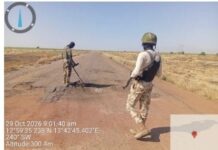
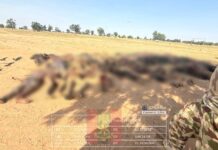
Consider the recent engagements involving troops of Operation HADIN KAI in Borno State. According to reports, troops neutralised 55 Islamic State West Africa Province (ISWAP) terrorists, including key commanders, during an engagement at Buni Yadi. Barely days later, on October 31, 2026, troops repelled another major ISWAP assault at Kukawa, reportedly killing four senior terrorist figures and several other fighters.
Among those reportedly killed were Abu Hajara, a member of ISWAP’s Shura Council; Abul Walid, a senior commander said to be closely associated with the group’s leader; and two high-ranking foreign fighters.
These are not insignificant developments. They represent the outcome of dangerous operations undertaken by men and women who routinely put their lives on the line to protect the rest of us. The reported neutralisation of at least 59 terrorists across the two engagements, including senior figures in the insurgents’ command structure, is a development worthy of national recognition.
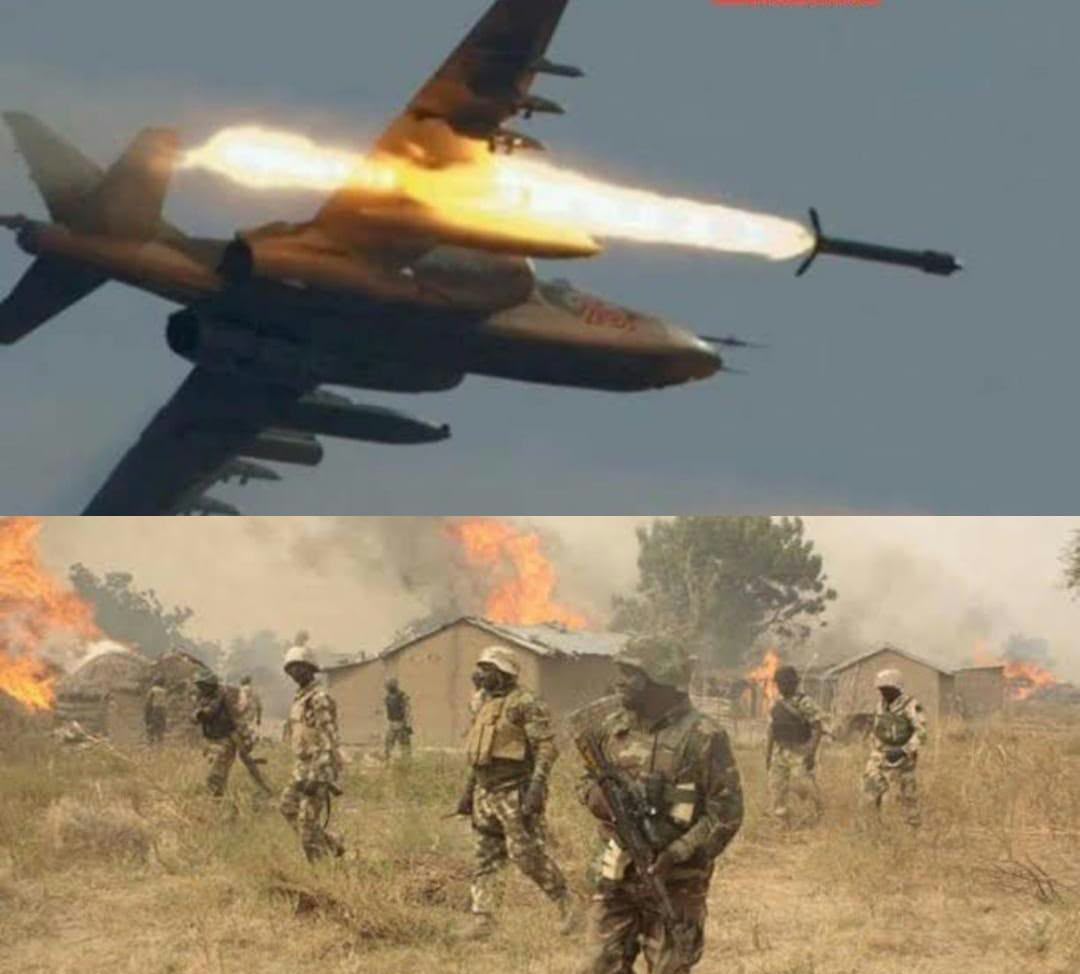
The ground troops deserve commendation. So do the aircrew whose coordinated operations helped deliver these results. Their courage, professionalism and willingness to confront a dangerous enemy in difficult circumstances should remind us that, even amid the persistent security challenges confronting Nigeria, our Armed Forces continue to fight, adapt and make progress. Yet, where is the national celebration?
Only recently, the Nigerian Air Force suffered a tragic air crash that reportedly claimed about 35 lives. The incident, like other aviation accidents before it, generated widespread public concern, grief and demands for accountability. That reaction was understandable. Every life lost is a tragedy, and the families of the victims deserve our compassion. The circumstances surrounding such incidents must be thoroughly investigated, and lessons must be learned to prevent future occurrences.
But if we can mobilise our collective outrage over a military tragedy, why can we not mobilise comparable public appreciation when our troops achieve significant victories against the very enemies threatening our national survival? Why should bad news travel at the speed of light while good news about our troops struggles to command attention? Why do some Nigerians appear more eager to publicise the failures of the military than to acknowledge its achievements?
This is not an argument against criticism. Far from it. The Armed Forces, like every public institution, must remain accountable. Operational failures, allegations of misconduct, avoidable casualties and lapses in military aviation safety must be investigated and addressed. No institution should be shielded from legitimate scrutiny simply because its personnel wear the uniform. However, accountability must not become an excuse for selective outrage. If we demand explanations when things go wrong, fairness requires that we also acknowledge when things go right.
A nation that habitually amplifies its military’s failures while ignoring its successes risks creating a distorted public picture of the war against terrorism and banditry. Worse, it may inadvertently embolden the enemy by projecting an image of a military incapable of making progress, even when the evidence points otherwise.
Terrorist organisations thrive on propaganda. They seek to project strength, spread fear, undermine public confidence and convince communities that the state cannot protect them. Every Nigerian should therefore be conscious of the information environment in which this war is being fought. Celebrating a verified military victory is not propaganda. It is an acknowledgment of fact. It is also a way of recognising the sacrifices of those who stand between the country and the forces seeking to destabilise it.
The reported elimination of senior ISWAP commanders is particularly significant because the impact of such operations can extend beyond the immediate battlefield. Experienced commanders often play crucial roles in operational planning, intelligence coordination, recruitment, logistics and the enforcement of internal discipline within terrorist organisations. Their removal can disrupt command structures, weaken coordination and create uncertainty within enemy ranks.
Of course, we must avoid the temptation to equate the elimination of commanders with the end of an insurgency. Terrorist organisations can replace fallen leaders, adapt their tactics and continue operating through dispersed cells. That is why tactical victories must be consolidated into lasting operational and strategic gains.
Sustained military pressure must go hand in hand with intelligence exploitation, the disruption of terrorist financing and recruitment, the protection of vulnerable communities and the restoration of effective governance in areas reclaimed from insurgents. Nevertheless, the fact that a victory is not the final victory does not make it unworthy of celebration.
Read Also:
Every terrorist neutralised, every attack successfully repelled, every civilian rescued and every community made safer represents progress in a long and difficult campaign. The scale of the challenge should not blind us to the value of incremental gains. We must also recognise that these operations are not video games. They involve real human beings confronting real dangers. Behind every successful engagement are soldiers and aircrew who must make split-second decisions under extraordinary pressure, often far from their families and with little certainty about what the next hour may bring. Some return home wounded. Others never return. Their sacrifices should not become invisible merely because the war has continued for years.
Perhaps the most important lesson from this conversation is that national support for the Armed Forces must not be conditional on whether the military wins or loses a particular engagement. Security is not the exclusive responsibility of soldiers, policemen or intelligence officers. It is a patriotic duty shared by every Nigerian.
The military is an instrument of the Nigerian state, deployed to defend our territorial integrity and support national security within the framework of the law. But the success of its operations is influenced by the conduct and cooperation of the wider society. Communities must provide credible intelligence. Citizens must resist the temptation to harbour criminals or provide them with logistical support. Traditional rulers, religious leaders, civil society organisations, the media and political leaders must contribute to the collective effort to deny terrorists the social space, information networks and resources they need to operate.
The media, in particular, has a responsibility to report military operations accurately and responsibly. This does not mean suppressing bad news or becoming a mouthpiece for the military. It means verifying claims, providing context, avoiding sensationalism and ensuring that the public receives a balanced account of developments on the battlefield. Similarly, citizens should learn to distinguish legitimate criticism from reckless commentary designed to ridicule the military, undermine morale or exploit tragedy for political and personal gain.
Support does not mean blind loyalty. It means standing with the institution in the legitimate defence of the country while demanding professionalism, accountability and respect for the rights of citizens. It means understanding that a military setback should prompt sober assessment rather than indiscriminate condemnation, just as a military victory should attract sincere appreciation rather than indifference. Our support should be rooted in patriotism, not convenience.
Commending our troops must also go beyond social media posts and celebratory headlines. If we genuinely appreciate their sacrifices, that appreciation must translate into sustained commitment to their welfare, adequate equipment, quality training, reliable intelligence, effective leadership and proper support for their families. The families of fallen personnel must not be abandoned to bear the consequences of their loved ones’ sacrifice alone. Wounded soldiers must receive appropriate medical care and rehabilitation. Serving personnel must have confidence that the nation they defend will stand by them and their dependants.
The government has the primary responsibility to provide these necessities, but public recognition helps reinforce the national consensus that military service matters and that those who undertake it deserve respect. At the same time, the military must continue to earn public confidence through professionalism, transparency where operational security permits, and prompt action against misconduct. Civilian casualties, abuse of authority and other credible allegations must never be dismissed simply because troops are engaged in a difficult conflict.
Nigeria’s security challenges remain formidable. Terrorism, banditry, kidnapping and other forms of organised violence continue to threaten lives, livelihoods and national development. No responsible observer should pretend that a few successful engagements have resolved these problems. But neither should anyone suggest that the persistence of insecurity renders every military achievement meaningless.
The reported successes at Buni Yadi and Kukawa deserve commendation. They are reminders that our troops remain in the fight and that determined, coordinated military action can inflict significant damage on terrorist networks.
To the Theatre Commander, the formation commanders, officers and soldiers of Operation HADIN KAI, the Nigerian Air Force personnel supporting the campaign, and every other member of the Armed Forces contributing to these efforts: the nation owes you recognition for your courage and sacrifice. Your victories matter. Your service matters. Your lives matter.
And to Nigerians who readily speak up when our military suffers a setback, I make this appeal: let us bring the same energy, passion and sense of national responsibility to acknowledging its successes. If we can collectively mourn the fallen, we should also collectively appreciate those who return from the battlefield having prevented further loss of life and inflicted significant damage on the enemy.
Let us refuse to allow cynicism, political divisions or the pursuit of social media attention to diminish genuine achievements. The military must be held accountable when it fails. But it must also be encouraged when it succeeds. Ultimately, the objective is not to win a public relations contest or to produce impressive casualty figures. It is to secure Nigeria, protect its citizens and restore lasting peace to communities devastated by violence.
And that is why our support must remain steadfast, even when operations become difficult and victories are hard to come by. A nation that demands sacrifice from its soldiers must not be indifferent to their successes. When our troops win, Nigeria should acknowledge it. When they stumble, Nigeria should demand answers. In both circumstances, patriotism requires that we stand on the side of truth, accountability and national security.
*Chidi Omeje is the publisher of Security Digest (www.securitydigestng.com)