Nigerian Army Graduates Elite Special Forces Battalion to Intensify War on Terrorism
…As Shaibu strengthens military capacity to tackle drone threats, IEDs, evolving tactics
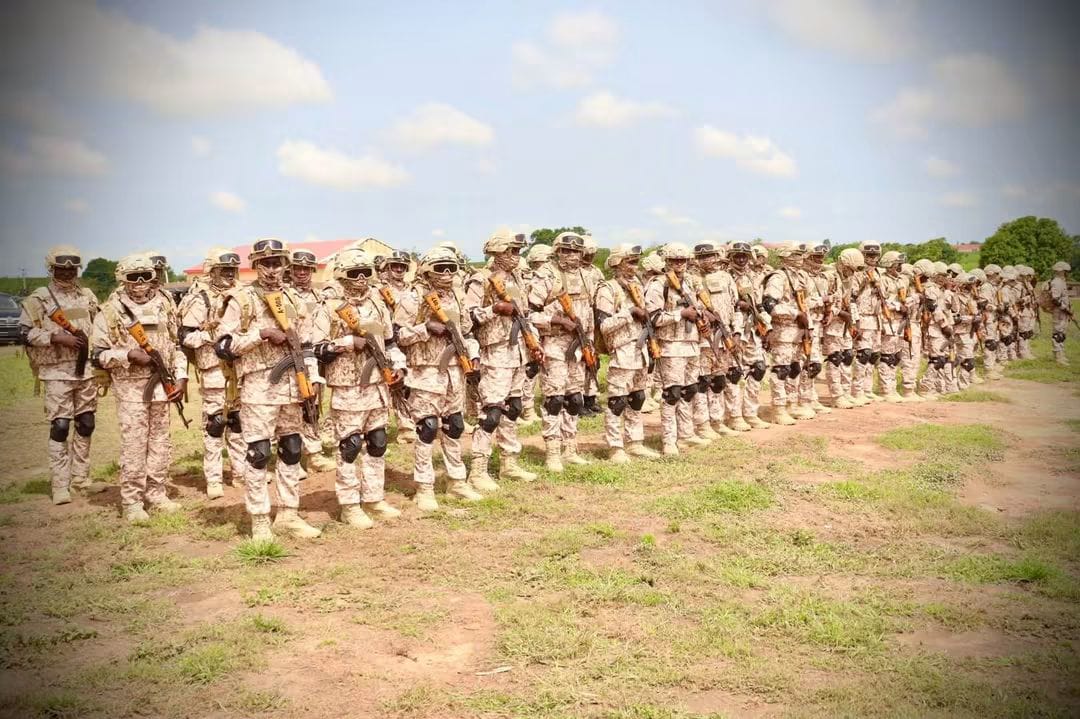
The Nigerian Army has strengthened its counter-terrorism and internal security capabilities with the graduation of a fully trained Special Forces battalion, in a move aimed at enhancing its capacity to dismantle terrorist networks and confront emerging security threats across the country.
The Chief of Army Staff (COAS), Lieutenant General Waidi Shaibu, announced this on Friday, October 9, 2026, during the graduation ceremony at the Nigerian Army Special Forces School, Doma, Nasarawa State.
The new battalion is expected to bolster the Army’s capacity to conduct specialised combat operations, penetrate difficult terrain and neutralise terrorist and criminal networks, particularly in areas where conventional military tactics may prove less effective.
Shaibu explained that the expansion of the Nigerian Army from eight to 12 divisions had created the need for commensurate specialised capabilities to sustain operational readiness, improve force projection and extend security coverage across the country.
He noted that the evolving nature of security threats, including the increasing use of drones, improvised explosive devices (IEDs) and other unconventional tactics by terrorists and criminal groups, required a more adaptable, technologically aware and highly trained fighting force.
According to the COAS, the newly graduated Special Forces personnel would strengthen field formations by providing the specialised skills required to respond effectively to these emerging battlefield challenges.
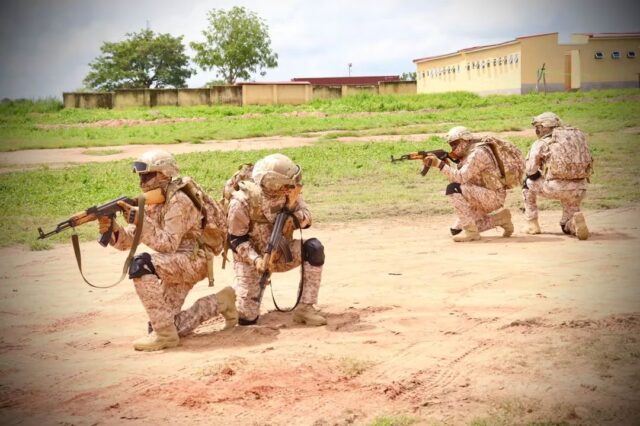
The graduands underwent six months of intensive training designed to sharpen their combat proficiency, physical endurance, mental resilience and adaptability to complex operational environments.
A major feature of the training was the use of advanced obstacle and tactical training facilities at the Doma school. The facilities include the Nigerian Army’s most difficult and complex obstacle course to date, featuring 20 obstacles designed to test the physical and mental limits of trainees.
The school also boasts the Army’s first-ever maze, developed to help soldiers overcome the fear of darkness and confined spaces while improving their resilience, spatial orientation and ability to operate under stressful conditions.
Read Also:
Addressing the graduands, Shaibu charged them to uphold the highest standards of discipline, precision and sound judgment in the discharge of their duties.
He stressed that while operational effectiveness remained paramount, military success must be achieved in a manner that respects human rights and preserves public confidence in the Armed Forces.
The Army Chief further underscored the importance of intelligence-led operations, technological awareness and effective collaboration with sister Services and other security agencies, describing these as essential elements of sustainable security operations.
He urged the newly trained personnel to translate the skills acquired during their training into operational effectiveness, while maintaining professionalism and remaining responsive to the changing dynamics of Nigeria’s security environment.
Earlier, the Chief of Training (Army), Major General Valentine Okoro, said the course was specifically designed to address contemporary operational requirements and incorporate lessons learned from ongoing military operations.
Okoro explained that the training was structured to prepare the personnel for the realities of modern warfare, where adaptability, specialised combat skills and the ability to respond rapidly to changing threats are increasingly critical to mission success.
Similarly, the Commandant of the Nigerian Army Special Forces School, Brigadier General Umar Abubakar, highlighted the rigorous physical and tactical exercises undertaken by the graduands, noting that the training was aimed at producing resilient, disciplined and mission-ready soldiers capable of operating in demanding environments.
Shaibu commended the instructors and training partners for their contributions to the successful completion of the programme, expressing confidence that the newly graduated personnel would add significant value to the Army’s ongoing operations.
The graduation comes amid the Nigerian Army’s broader efforts to expand its operational reach, improve specialised capabilities and strengthen its response to terrorism, insurgency, banditry and other security challenges confronting the country.
With the emergence of the new battalion, the Army is seeking to ensure that its force expansion is matched by the specialised training and operational capabilities required to confront increasingly complex threats and deliver improved security outcomes.
The development reinforces the Army leadership’s emphasis on building a more agile, technologically conscious and professionally trained force capable of adapting to the changing character of modern warfare.