
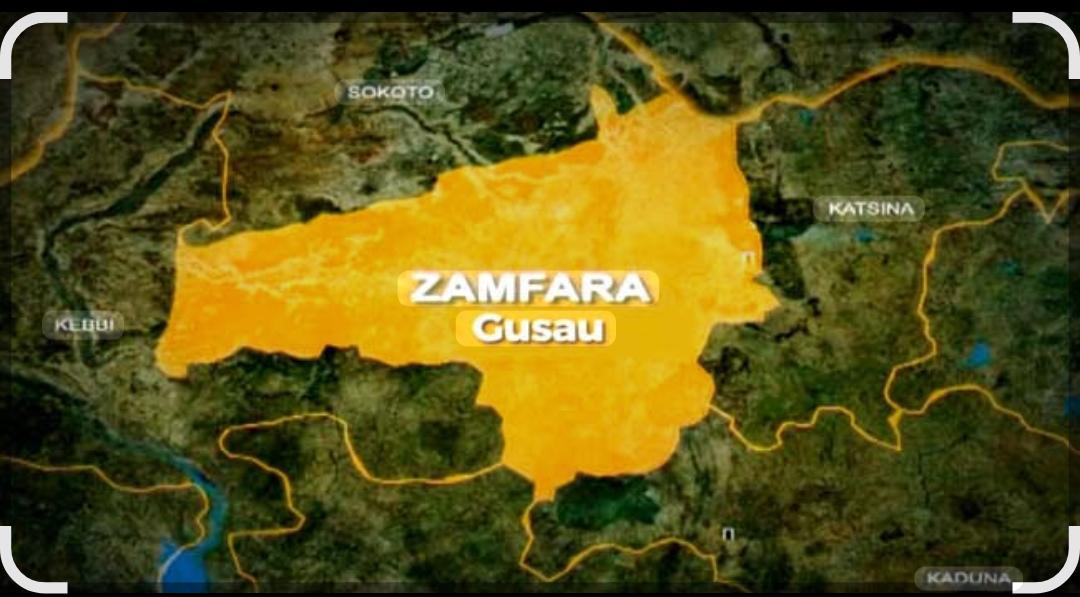
Zamafara: Local vigilantes, repel bandits incursion with air support as over 30 reported dead while gunmen flee
By: Zagazola Makama
Residents of Birnin Tudu in Gummi Local Government Area of Zamfara State have fought back against a large bandit force following a three-day confrontation that reportedly left more than 30 suspected bandits dead, several residents injured and at least five civilians killed in separate attacks across surrounding communities.
The confrontation, which involved local vigilantes, the Civilian Joint Task Force (CJTF) and air support from Operation Fansan Yamma, underscores the growing determination of rural communities to resist armed groups that have repeatedly raided settlements, rustled livestock and terrorised farmers across the North-West.
Earlier Information gathered by Zagazola Makama indicates that the latest confrontation began after armed bandits, reportedly travelling in large numbers on motorcycles, advanced towards Birnin Tudu from the northern direction, moving towards the Bukkuyum axis.
The reports indicated that more than 59 motorcycles were initially sighted approaching the area, raising concerns among residents and local security networks about the scale of the impending attack.
The armed men reportedly moved through settlements and locations around Nasarawa Kifi and the Birnin Tudu axis before advancing on the community’s main settlement.
Residents said the attackers arrived at about 10 a.m. on Tuesday, when many villagers were working on their farms and harvesting crops.
The gunmen allegedly opened fire, looted shops and attempted to move livestock stolen from neighbouring communities. They were also said to have divided into several groups, making it difficult for local defenders to monitor their movements and protect all entry points simultaneously.
A resident who spoke to Daily Trust on condition of anonymity said the attackers caught the community off guard after residents relaxed some of their usual security vigilance.
The scale of the movement reportedly alarmed local security volunteers, who had received intelligence about the bandits’ movements from Monday but lacked the manpower and equipment to cover the entire area.
Rather than retreat completely in the face of the heavily armed attackers, local defenders mounted resistance. The CJTF and community vigilantes, including members of the Yan Sakai local security network, reportedly engaged the attackers and repelled repeated attempts to overrun the settlements.
Updates received by Zagazola Makama indicated that the CJTF, supported by the air component of Operation Fansan Yamma, forced some of the attackers to retreat after a prolonged confrontation. The involvement of air support reportedly increased pressure on the fleeing gunmen, who subsequently dispersed into surrounding forests and rural tracks.
Information circulating among local security sources suggested that the bandits became increasingly concerned about their exposure to aerial attacks and decided to withdraw from some of their positions.
Read Also:
The reported resistance prevented the attackers from completely overrunning Birnin Tudu, although the confrontation came at a significant cost to the surrounding communities.
Following the clashes, local reports claimed that more than 30 suspected bandits had been neutralised during engagements across Birnin Tudu and surrounding areas. Some initial accounts put the number killed at 11 before subsequent reports suggested that the toll had risen above 30 as the confrontation spread across different locations.
Surviving fighters were reportedly seen withdrawing towards Tsallaken Gulbin in the Nasarawa Kifi area, approximately one kilometre from Kwadarko, before moving westwards towards Zauma and north-westwards towards Yan Gizazza.
Other reported movements placed armed groups between Kwadarko and Kundubu, with some fighters believed to have taken refuge in nearby forests.
There were also reports of another large group of armed men moving on more than 150 motorcycles, although the exact composition of the convoy and whether it belonged to the same group involved in the Birnin Tudu confrontation remain unclear. The dispersal of the attackers into several directions has heightened concerns that the confrontation may not mark the end of the threat to communities in the area.
Despite the resistance mounted by local defenders, residents reported further casualties and losses across the affected communities.
According to information received by Zagazola Makama, five people were killed in Birnin Tudu Ward while returning from their farms. The victims were reportedly attacked before the gunmen advanced towards the main settlement, where local vigilantes subsequently engaged them. Residents also reported that the bandits attacked the Tudu and Daki Takwas areas on the previous day, rustling approximately 1,000 cattle and seizing motorcycles belonging to residents.
The reported livestock losses represent a major economic blow to farming and pastoral households, many of whom depend on cattle and other livestock as their primary source of livelihood.
The attacks have also raised concerns about the safety of farmers returning from their fields, particularly in communities where residents must travel considerable distances through isolated rural routes.
Bello Abubakar, popularly known as Bello Karo Birnin Tudu, a vigilante commander in the area, appealed to security agencies and the Gummi Local Government Council to urgently strengthen security around the community.
He said local defenders had received intelligence about the movements of the attackers but lacked sufficient personnel and equipment to defend all vulnerable entry points.
He called for the deployment of additional security personnel and the provision of an armoured vehicle, firearms, ammunition and other operational equipment.
The commander also warned of the possibility of a reprisal attack, given the scale of the confrontation and the reported casualties among the armed group.
His appeal highlights a persistent challenge in rural security operations across Zamfara: communities may receive advance warnings of impending attacks but remain vulnerable when their local defenders lack the resources to respond effectively.
The confrontation illustrates both the resilience of rural communities and the dangers of leaving them to confront heavily armed groups with inadequate resources.