
How Troops Penetrated Timbuktu Triangle, Overran ISWAP Detention Camps, Rescue Captives
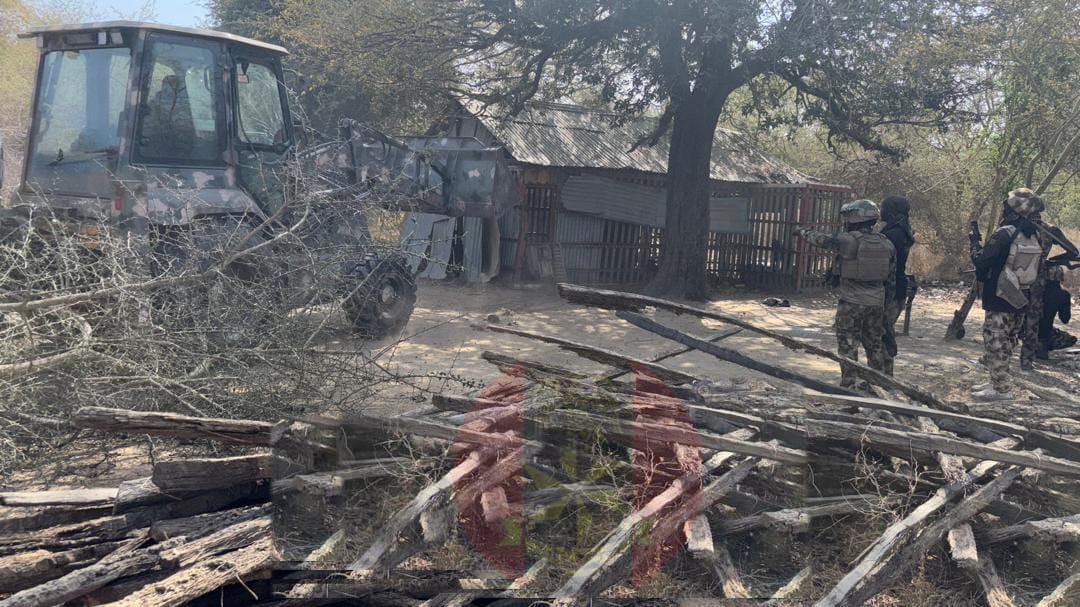
Troops of the Joint Task Force North East, Operation HADIN KAI (OPHK), have recorded a major counter-terrorism breakthrough with the capture and destruction of notorious Islamic State West Africa Province (ISWAP) detention facilities hidden deep inside the forested Timbuktu Triangle in Gujba Local Government Area.
The successful operation, carried out over the past two weeks, marks one of the deepest penetrations yet by security forces into areas long regarded as ISWAP’s inner sanctuaries. Military sources say the development underscores the growing reach, effectiveness and sustainability of ongoing counter-insurgency operations in the North East.
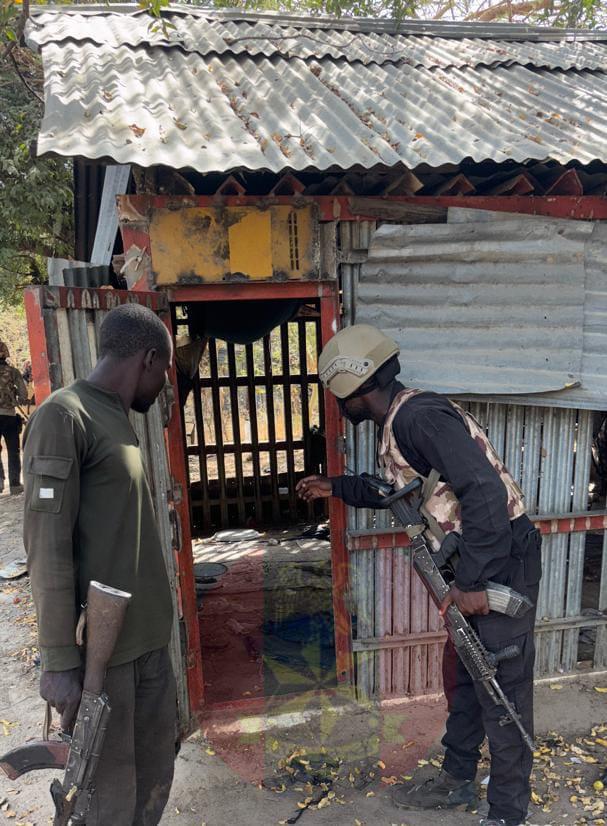
Conducted under Operation DESERT SANITY V, the offensive followed sustained intelligence-led manoeuvres and relentless pressure that forced ISWAP fighters to abandon critical infrastructure within their strongholds. Troops subsequently advanced into the area, uncovering and dismantling facilities used by the terrorists to detain abducted civilians.
Between 21 January 2026 and date, soldiers uncovered and destroyed three major terrorist detention facilities concealed within the Timbuktu Triangle forest, which spans parts of Borno and Yobe states.
Preliminary assessments indicate the camps had the capacity to hold up to 300 detainees, highlighting their central role in ISWAP’s coercive and ransom-driven operations.
Read Also:
Military findings further revealed that sustained offensive actions directly triggered the escape of over 70 captives held by the terrorists. Several of the escapees later resurfaced in communities including Goniri, Buratai and Mandaragirau, corroborating accounts of the assault on the camps.
One of the escapees, Malam Jidda Ba Jidda, a native of Kufi village near Buratai in Biu Local Government Area, said he fled during a fierce gun battle between ISWAP fighters and advancing troops. He disclosed that he had been abducted on 22 December 2025 and held at the facility until the military operation created an opportunity to escape.
During the series of encounters in the Timbuktu Triangle, ISWAP suffered heavy combat losses. At least 32 terrorists were neutralised, including two Qaids and three Munzirs, while several others sustained serious injuries in fierce engagements with troops.
Following thorough clearance operations, the three detention facilities were deliberately demolished to permanently deny ISWAP the ability to reuse or reoccupy the sites. The military said the operation was executed without incident, reflecting the professionalism, discipline and combat effectiveness of troops deployed under Operation HADIN KAI.
Security analysts note that the destruction of the camps represents more than a tactical victory. By dismantling ISWAP’s detention infrastructure, the operation degrades the group’s internal enforcement system, disrupts its ransom economy and weakens its grip on local populations.
The escape of dozens of captives also deprives the terrorists of a key source of funding while potentially yielding valuable intelligence to support ongoing operations.
While the general security situation across the Theatre of Operations remains calm but unpredictable, the military says troops’ morale and fighting efficiency remain high.
The Armed Forces of Nigeria reaffirmed their commitment to sustaining pressure on terrorist elements, denying them safe havens and restoring lasting peace and security across the North East.