How Official Silence on ‘American Troops in Nigeria’ Widens Trust Deficit and Fuels Conspiracy Theories
By Chidi Omeje
There is something fundamentally wrong with a country discovering the presence of foreign troops on its soil through a foreign news wire service.
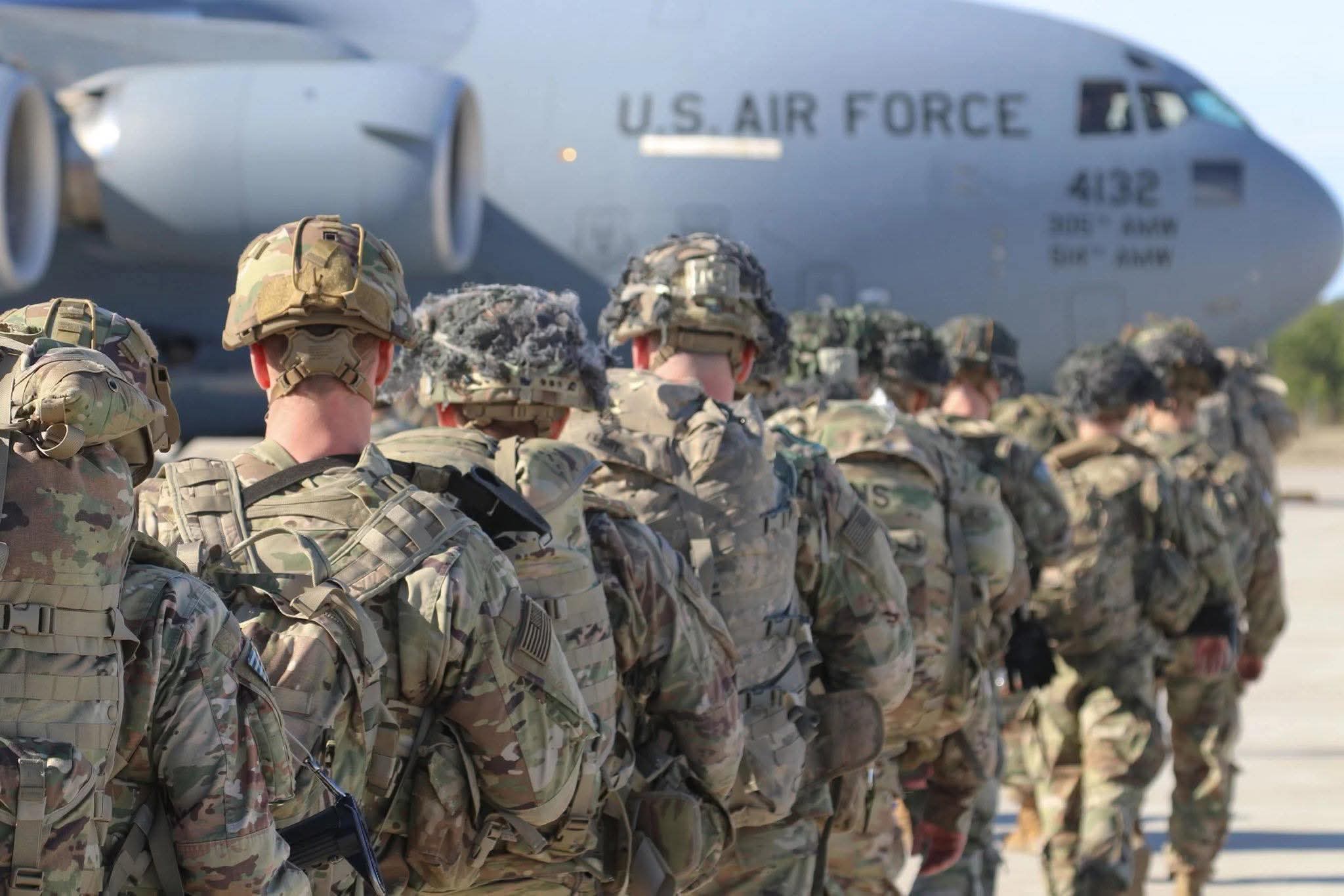
On 3 February, Reuters reported that the United States military had dispatched some forces to Nigeria, citing U.S. Africa Command (AFRICOM). What should have been a sober national conversation immediately became something else entirely: confusion, speculation, and a fresh wave of distrust.
Not because cooperation with partners is inherently problematic but because Nigerians heard the news first from Washington, not from Abuja.
Even more troubling is what followed: silence. Up till this moment, neither Defence Headquarters nor the Ministry of Defence has deemed it necessary to confirm or deny the Reuters report. In a country facing acute security challenges, this silence is indeed consequential, and I dare say, one of the clearest illustrations of why the trust deficit between Nigerians and their government continues to widen.
In any sovereign state, one principle should be non-negotiable: when military activity occurs within national borders, the government of that country must speak first to its people.
This is not a matter of etiquette or public relations. It is constitutional, political, and strategic. As aptly captured in his article on the subject, Group Captain Sadeeq Shehu (rtd), former spokesman of the Nigerian Air Force, stated that once Nigeria authorises any form of foreign military presence, whether trainers, intelligence assets, surveillance platforms, or operational enablers, it becomes a Nigerian sovereign act. Ownership of that act must be asserted publicly by Nigerian authorities.
When a foreign power announces first, even where consent exists, it creates the impression of unilateral action. In a country with a painful history of external intervention, weak institutions, and deep internal fractures, perception matters almost as much as reality.
Read Also:
By allowing AFRICOM, via Reuters, to frame events on Nigerian soil before any Nigerian official uttered a word, the government ceded narrative control. And once narrative control is ceded, legitimacy begins to erode.
Some may argue that restraint is wise, that operational secrecy requires silence.
When Defence Headquarters and the Ministry of Defence decline to speak, they leave a vacuum, and vacuums are quickly filled by speculation, conspiracy theories, religious anxieties, and partisan manipulation.
In a society as diverse and tense as Nigeria’s, this is dangerous. More importantly, it reinforces a growing perception that the government is either reactive, unsure of itself, or unwilling to treat citizens as stakeholders in their own security.
This is why experts insist on communication discipline. External partners can and will speak to their own domestic audiences but they should never be the first narrators of events unfolding on Nigerian soil.
Trust is built when citizens believe their government is in control, transparent, and accountable. It collapses when people feel they are being informed about their own country by outsiders.
Every time Nigerians hear major security developments first from Reuters, CNN, or foreign military commands, it reinforces a painful conclusion: that the government does not trust its own people enough to speak plainly to them.
And if a government will not communicate clearly on something as grave as foreign troops operating on national soil, why should citizens trust it to manage the broader security crisis effectively?
But this moment is not beyond repair. Calm, institutional steps can still restore balance: an immediate formal statement clarifying Nigeria’s invitation and control;
a briefing of the National Assembly, even if retroactive;
clear public distinction between trainers, ISR assets, and combat forces;
disclosure, at least in outline, of the legal framework governing the cooperation.
Not that I’m calling for damage control. No; I’m rather reminding us of basic governance.
Nigeria does not lose face by cooperating with partners. It loses face when it appears absent from the telling of its own story.
*Chidi Omeje is the publisher of Security Digest (www.securitydigestng.com)