
Community Support is Nigeria’s Strongest Weapon in Fight Against Insecurity
by Chidi Omeje
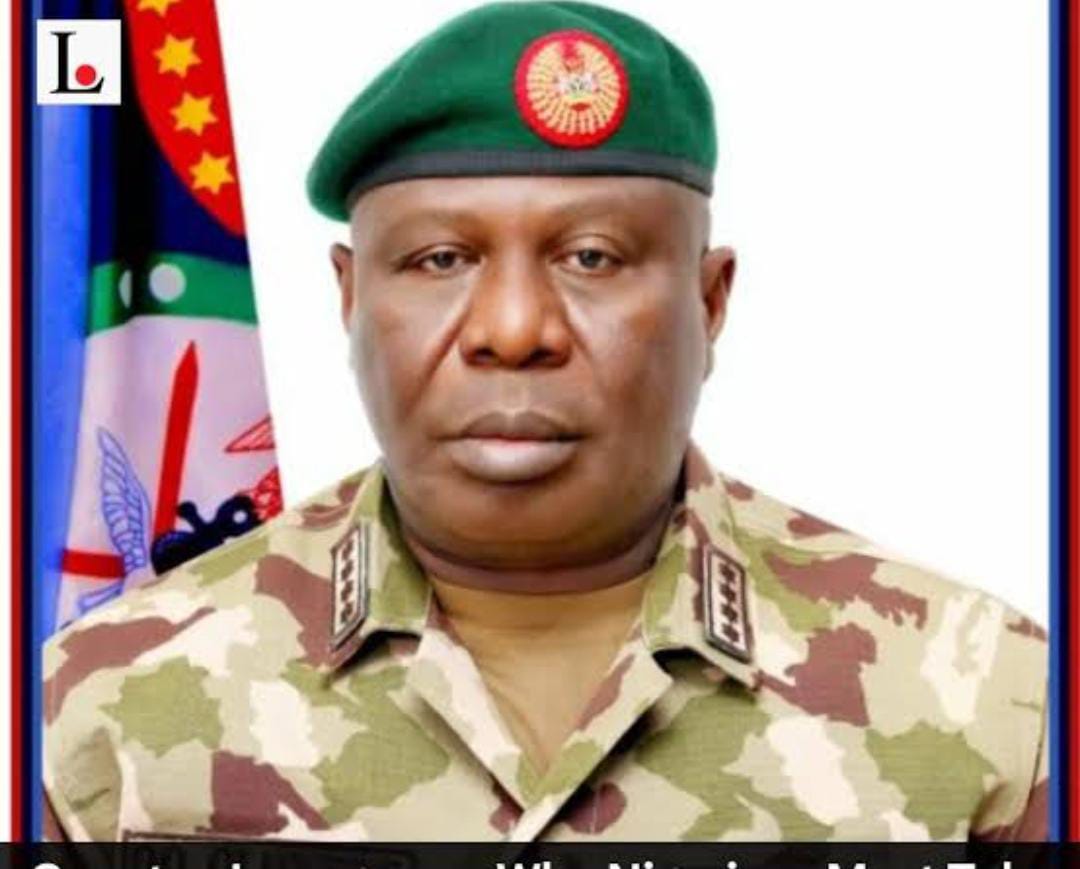
I listened closely to the Chief of Defence Staff, General Oluyede, during his recent media interaction in Maiduguri, where he spoke about the critical role of community support in the fight against Boko Haram/ISWAP terrorism.
He spoke clearly and unambiguously about the imperative of communities taking ownership of the counter insurgency operations happening in their neck of woods, and he was particular in admonishing residents of Borno and Yobe, two of the states most affected by terrorism in the country, to reflect on the role of local complicity in sustaining the insurgency.
He did not say anything else other than the truth that we all know; or is 90% of Boko Haram fighters not from those states he mentioned? Are we to deny knowledge of the fact that some locals benefit from the war economy in those areas? Why the hoopla then? Why are some conflict entrepreneurs and agent provocateurs trying to twist what the General said to mean another thing, and why is somebody trying to manufacture outrage where none exists?
The truth of the matter is that Nigeria’s fight against terrorism and insurgency has reached a defining moment, not just on the battlefield, but within the very communities these threats seek to exploit. So his call for citizens, particularly in the North-East, to “take ownership” of the fight against terrorism is not only timely; it is profoundly necessary.
For too long, the burden of confronting insecurity has been viewed as the exclusive responsibility of the military and other security agencies. While the Armed Forces of Nigeria continue to demonstrate courage and record notable operational successes, it is increasingly clear that guns alone cannot win this war. The real battlefield is as much social as it is military.
At the heart of modern counterinsurgency doctrine is a simple but powerful truth: no security operation can succeed without the trust, cooperation, and active participation of the people. Communities are not just passive victims of insecurity, they are critical stakeholders in ending it.
The CDS’s emphasis on vigilance and collective responsibility points to this reality. Terrorist groups do not operate in a vacuum; they rely on local networks, sympathizers, and, in some cases, compromised or coerced collaborators embedded within communities.
When such elements are tolerated, whether out of fear, indifference, or complicity, they create dangerous enablers that undermine even the most sophisticated military operations. The example cited by the CDS, where wounded insurgents were discovered being harboured within a community after attacking troops, is both troubling and instructive, yet not new.
Read Also:
This troubling reality reveals a harsh truth: the line between victimhood and complicity can sometimes blur. And please, this is not an indictment of entire communities, but a call to conscience. It is a reminder that those who snitch on troops positions or movements are active collaborators and that they are as complicit as the actual terrorists.
Across the world, from Colombia to Iraq to Sri Lanka, successful counterterrorism campaigns have demonstrated that sustainable peace is built on strong community-security partnerships. Timely, credible and actionable intelligence provided by local populations has often proven more decisive than firepower. Communities know their terrain, their people, and the subtle signs of infiltration far better than any external force ever could.
In Nigeria, this principle must be fully embraced. Citizens must see security not as a distant government function, but as a shared civic duty. Reporting suspicious movements, resisting the normalization of violence, and refusing to provide safe haven for criminal elements are not special acts of heroism; they are rather obligations of citizenship. It is the same way the media is expected to play a part in shaping the narrative in a way that does protect the adversary.
However, this responsibility is not one-sided. For communities to effectively support security agencies, there must be trust. The military and other security institutions must continue to uphold professionalism, respect human rights, and engage communities with transparency and empathy. Where trust exists, cooperation thrives; where it is absent, suspicion and silence take root.
Equally important is addressing the underlying socio-economic conditions that make communities vulnerable to infiltration, such as poverty, unemployment, and lack of education.
When asked by Seun Akimboloye of Channels Television what he thought would help to bring insurgency and terrorism under control, Gen Tukur Buratai, former Army Chief, said it is one thing: good governance. I agree. Good governance is actually the magic wand to dealing with this situation, but that is a topic for another day.
Truth is, a community that feels seen, supported, and included is far less likely to serve as fertile ground for extremist ideologies. The CDS’s message is, therefore, both a warning and a rallying call. Ending terrorism in Nigeria is not a task for the military alone; it is a national project that demands unity of purpose.
Every citizen, from the urban centers to the most remote villages, has a role to play. The war against insecurity will not be won solely by superior firepower, but by superior collective resolve. When communities stand firm, reject terror in all its forms, and actively support those tasked with protecting them, the space for insurgency shrinks dramatically.
*Chidi Omeje is the publisher of Security Digest and Editor, Zagazola Media Network