
Borno Govt Highlights Gains of ‘Borno Model,’ Says Rehabilitated Ex-Insurgents Rarely Rejoin Boko Haram
By Chidi Omeje
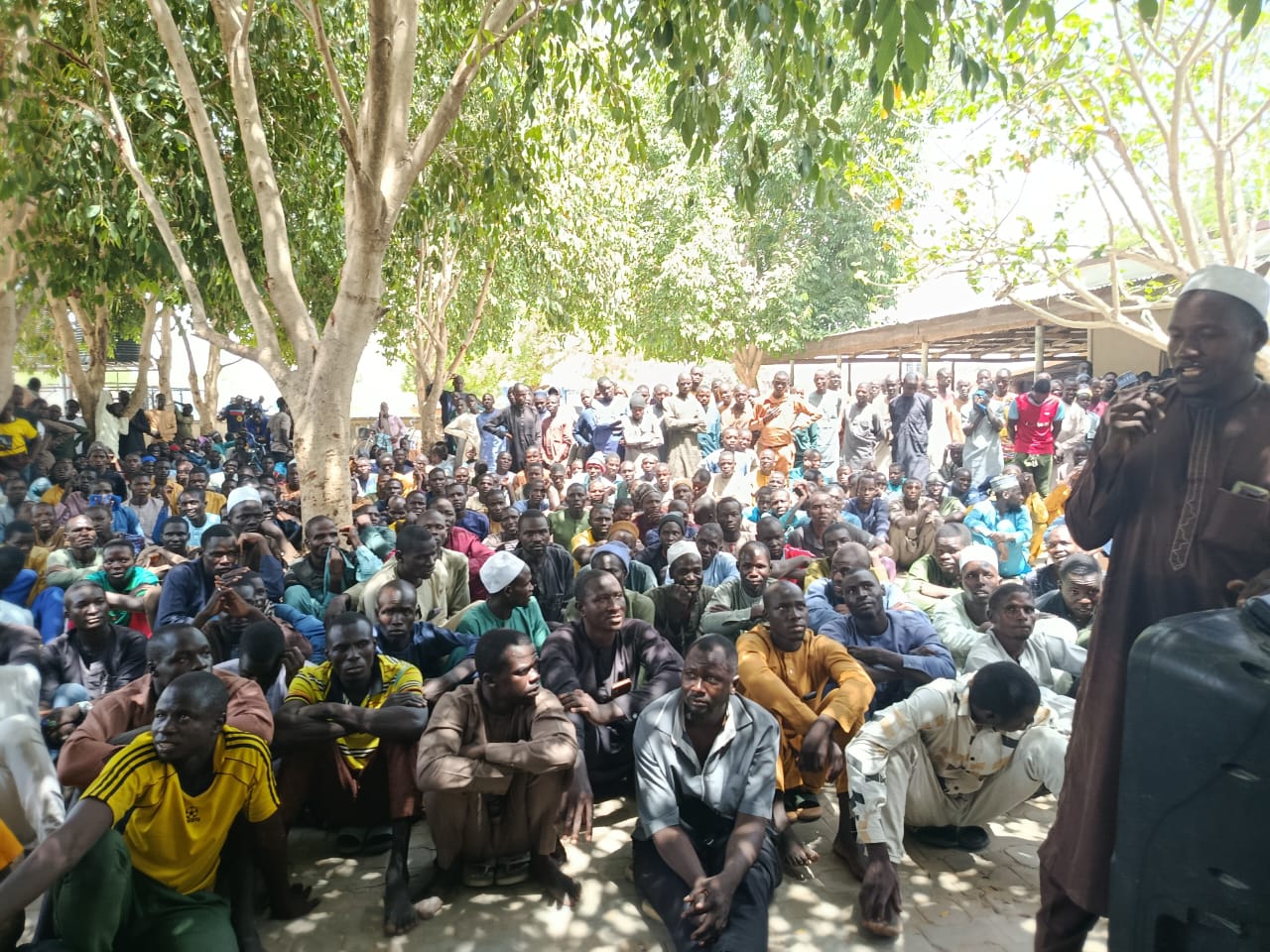
The Borno State Government has dismissed claims that surrendered and rehabilitated Boko Haram members often return to insurgency, insisting that such fears are largely unfounded due to the extremist group’s internal doctrines and the stringent rehabilitation measures put in place by the state.
The Commissioner for Women Affairs and Social Development, Zuwaira Gambo, made the clarification while briefing journalists on Friday on the progress, impact and challenges of the state’s rehabilitation and reintegration programme popularly known as “The Borno Model.”
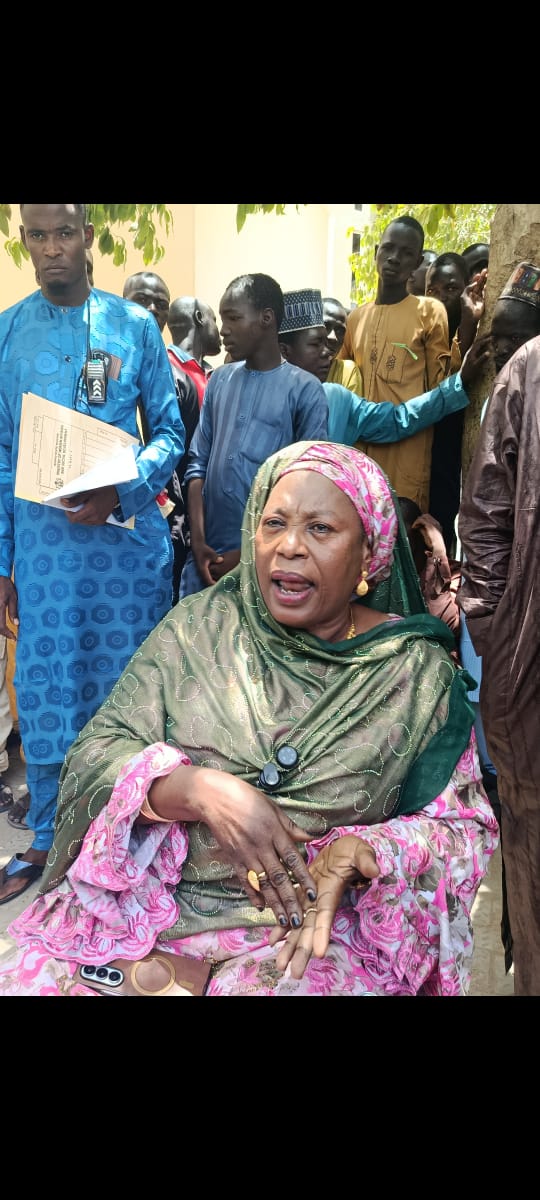
According to the commissioner, Boko Haram considers anyone who defects from its ranks and later attempts to return as a “worse infidel,” with death often serving as the punishment for such individuals.
“The fears about rehabilitated Boko Haram members returning to the insurgent group are unfounded because it is practically impossible for them to be readmitted,” she said.
“In fact, the punishment for such people by the group is instant death. That is the law of the jungle. They see anyone who escaped from their group as a worse infidel than outsiders. People may not believe it, but that is the reality.”
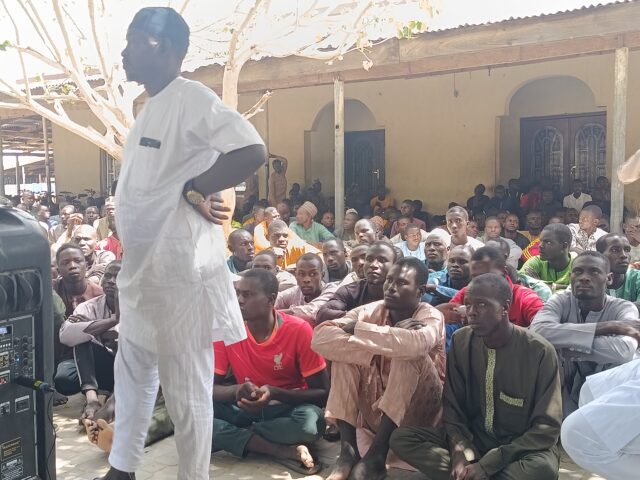
Gambo further explained that the state government also subjects repentant insurgents to rigorous de-radicalisation and reintegration procedures before they are accepted into the programme.
She disclosed that beneficiaries are required to swear an oath with the Qur’an affirming that they have genuinely renounced violence and embraced peace.
“They understand the implications of swearing with the Qur’an as Muslims, and that serves as a strong moral and spiritual commitment,” she added.
Highlighting the significance of the initiative, the commissioner described “The Borno Model” as one of the most effective non-kinetic strategies supporting counter-insurgency operations in the North-East.
Read Also:
She noted that the programme has helped reduce the number of people living within insurgent enclaves, many of whom, though not directly involved in combat, provided logistics and operational support to terrorist groups.
“You can imagine having such a large number of youths in the forest. Though not all of them are fighters, many serve as logistics aides for the insurgents in one way or another. The fact that these people are working against society from within the forest poses a serious danger,” she said.
“That is why implementing this programme has become a critical and necessary intervention.”
Gambo stated that the programme has so far recorded about 75 per cent success in the reintegration of former insurgents and their families into society.
“With all sense of modesty, and I want to be very humble about it, I think we have achieved about 75 per cent success,” she stated.
She revealed that approximately 8,000 former insurgents and family members had so far been successfully reintegrated into various communities across the state.
According to her, the mass surrender of insurgents and their families created enormous humanitarian and security responsibilities for the state government, prompting Governor Babagana Umara Zulum to establish structures to manage rehabilitation, reconciliation and reintegration efforts.
Gambo explained that most of those arriving at rehabilitation camps were women and children who suffered severe trauma, deprivation and abuse during their time in insurgent territories.
“These are women coming out with trauma. These are women who may be victims of gender-based violence. These are women suffering from mental health and psychosocial challenges,” she said.
She added that some of the children brought out from insurgent camps had never experienced organised urban life or even seen modern buildings before entering the rehabilitation centres.
The commissioner noted that one of the initial challenges faced by the government was managing the influx of surrendering individuals while simultaneously building trust and convincing them that life outside insurgent enclaves offered dignity, safety and opportunity.
To address the situation, she said the government deployed trained social workers and established temporary schools, healthcare facilities and vocational training centres within the camps.
She also disclosed that vulnerable groups, including widows, orphans, elderly persons and persons living with disabilities, were separated for specialised care and psychosocial support at interim care facilities.
According to her, after undergoing rehabilitation and counselling, many of the beneficiaries were reunited with their families and communities following consultations with relatives, traditional rulers and community leaders.
Despite the successes recorded, Gambo identified inadequate funding as one of the major challenges confronting the programme.
“It has to do with funding because you are bringing a lot of people on board. You have to feed them, clothe them and provide them with access to education,” she said.