
How We Revive ‘Destroyed’ MRAPs, Combat Platforms at Minimal Cost — Brig Gen Martins
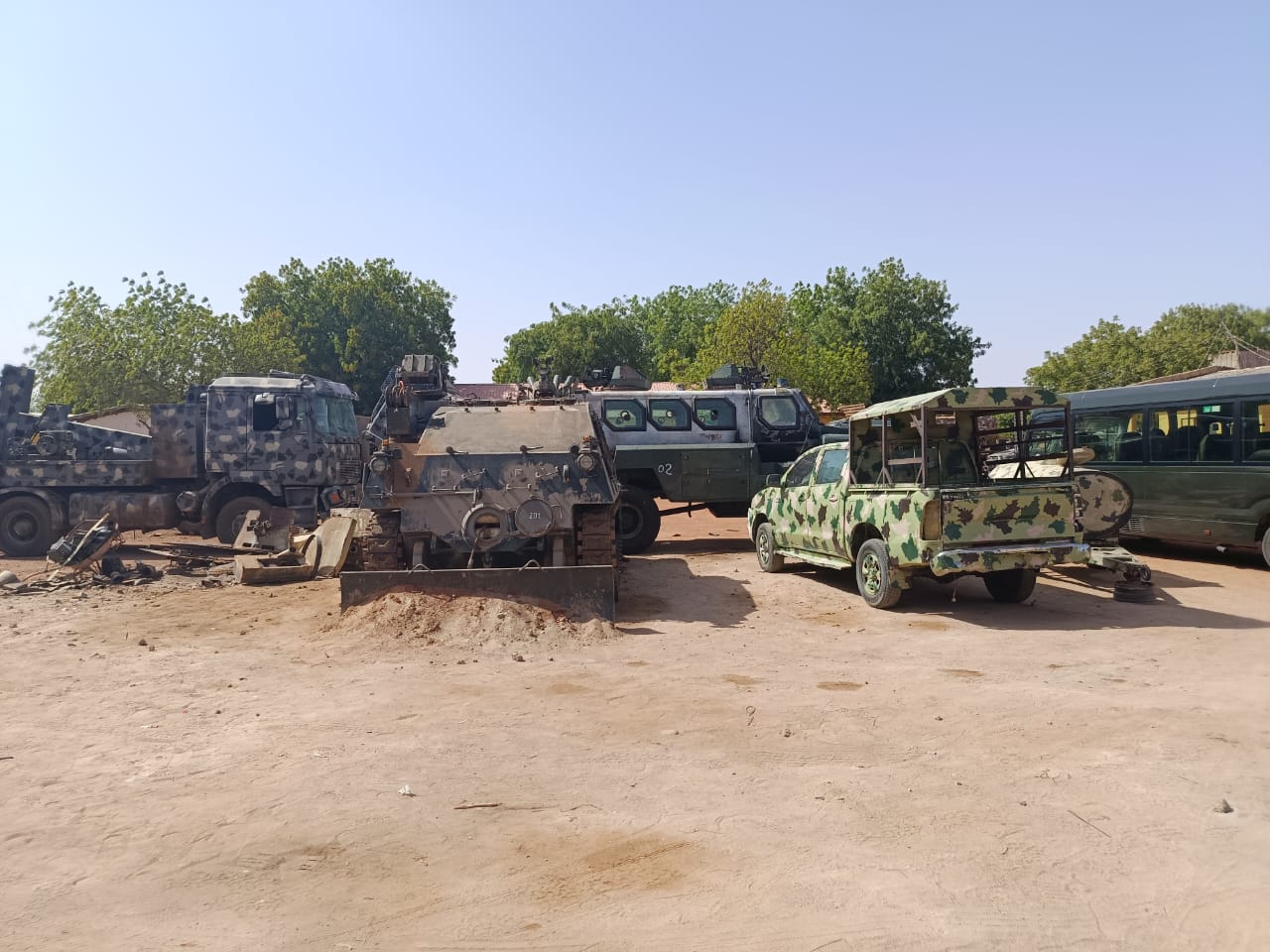
The Commander of Sector 2, Operation HADIN KAI, Brigadier General Martins, has revealed how troops and military engineers within the sector successfully refurbished Mine-Resistant Ambush Protected vehicles (MRAPs) and other combat platforms previously considered damaged or destroyed, thereby boosting operational capability at minimal cost.
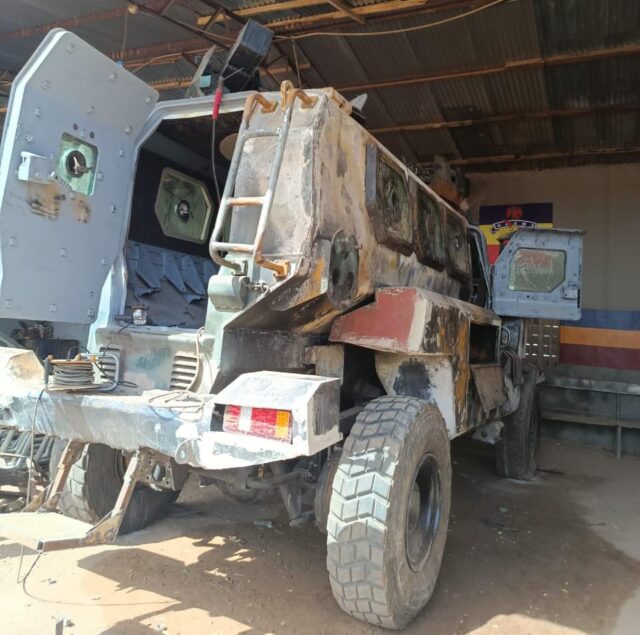
Speaking during an interaction with journalists at the sector’s workshop facility, the commander said the initiative was driven by the need to strengthen operational sustainability amid ongoing counter-insurgency operations in the North-East.
According to him, military operations are fundamentally dependent on effective logistics, maintenance and equipment sustainability, stressing that the Nigerian Army’s Electrical and Mechanical Engineering units were specifically established to maintain and restore operational platforms and weapons systems.
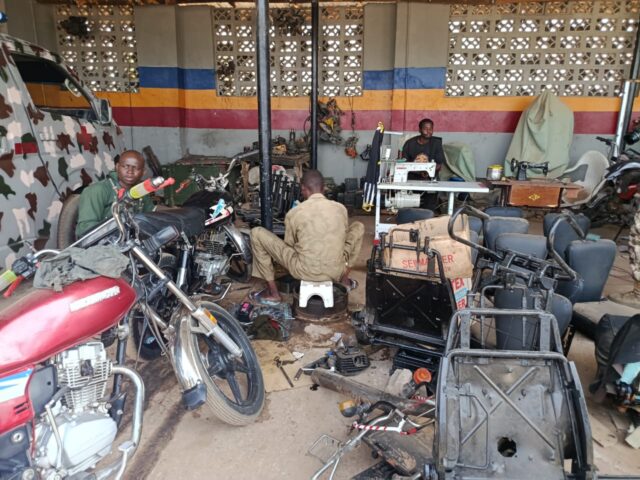
“Maintenance is a standard military procedure, especially during operations. What you saw here is part of that process, though perhaps with some additional effort in this sector,” he said.
Read Also:
Brig Gen Martins disclosed that with the support and approval of Army Headquarters and the Chief of Army Staff, the sector adopted a proactive maintenance culture focused on refurbishing damaged equipment rather than waiting indefinitely for fresh procurements.
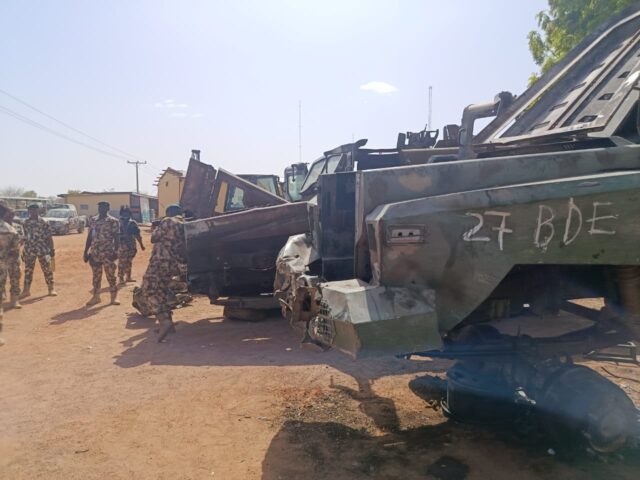
“With the approval and support of Army Headquarters and the Chief of Army Staff, we have been able to refurbish existing platforms instead of waiting endlessly for new ones,” he stated.
The commander explained that some of the MRAPs and combat vehicles restored by the workshop had earlier been classified as destroyed, noting that replacing such equipment would have required enormous financial resources.
“Some of the equipment you saw had previously been considered destroyed, and replacing them would have cost enormous sums of money. However, through local repairs and technical expertise, these platforms have been restored to operational condition at relatively minimal cost,” he added.
He noted that the refurbishment initiative has significantly enhanced the sector’s operational sustainability while also reducing dependence on lengthy procurement processes.
According to him, the culture of maintenance, innovation and local technical adaptation has now become institutionalised within Sector 2 and remains fully aligned with the operational standards and doctrine of the Nigerian Army.
Military observers believe the development reflects the increasing emphasis by the Nigerian Army on local capacity, equipment preservation and cost-effective operational support as troops sustain ongoing offensives against insurgents across the North-East theatre.