Sustained Military Pressure Forces ISWAP Fighters to Surrender as Airstrikes Cripple Terrorist Strongholds
By Staff Reporter
Sustained military offensives and precision airstrikes by the Nigerian Armed Forces are taking a heavy toll on the leadership and fighting capability of the Islamic State West Africa Province (ISWAP), with several commanders abandoning their enclaves and surrendering to troops in what security sources describe as a major setback for the terrorist group.
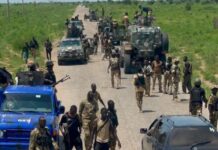
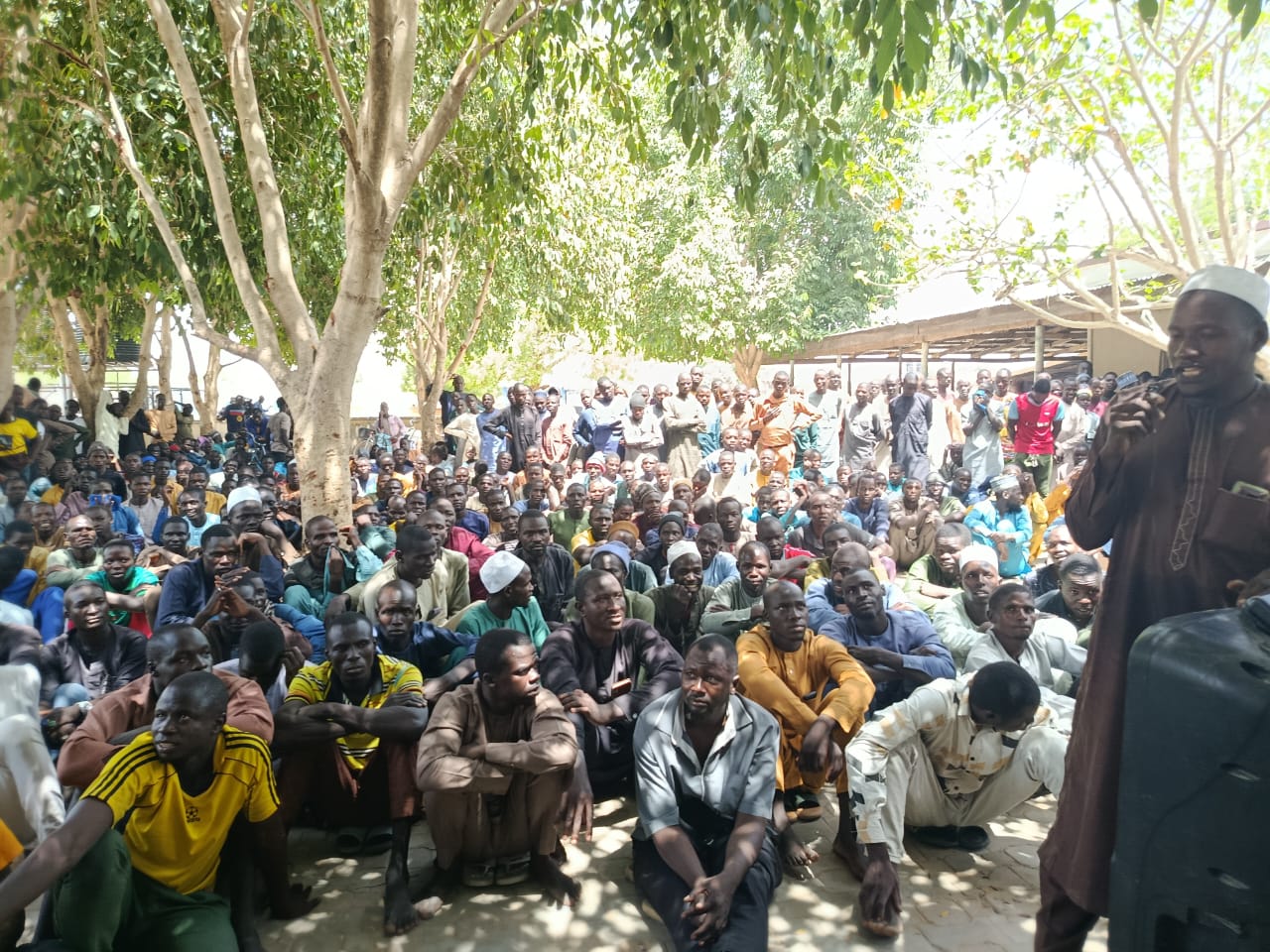
The latest development saw another wave of ISWAP commanders voluntarily surrender to the military after weeks of coordinated air and ground operations that have devastated the group’s logistics and command structure. The surrendered commanders are currently being held at a secure military facility where they are undergoing profiling and debriefing in accordance with established operational procedures.
The fresh surrender comes only days after scores of insurgents laid down their arms at different locations across the North-East theatre of operations. Military sources disclosed that within the past week alone, no fewer than 76 terrorist fighters, alongside some of their family members, surrendered voluntarily to troops of Operation HADIN KAI.
Read Also:
Security analysts say the growing wave of defections reflects the increasing effectiveness of the military’s intensified counter-insurgency campaign, particularly the Nigerian Air Force’s precision strikes carried out in close coordination with ground troops.
The air operations have reportedly targeted terrorist logistics hubs, supply routes and command-and-control centres across Borno State and other parts of the North-East, significantly degrading ISWAP’s operational capability.
Military sources said the sustained bombardments have denied the terrorists freedom of movement, disrupted their supply chains and destroyed critical infrastructure needed to sustain prolonged operations.
With their traditional enclaves coming under relentless attack, many insurgents are now said to be constantly on the move in an attempt to evade both aerial surveillance and ground assaults.
Security experts note that a force perpetually on the run loses the ability to plan, coordinate and execute large-scale attacks effectively. The resulting operational dislocation has reportedly weakened the command structure of the terrorist group and eroded the morale of many fighters.
The latest wave of surrenders is therefore seen as a direct consequence of the sustained military pressure, with many commanders and fighters opting to abandon the battlefield rather than face what has become an increasingly relentless and coordinated offensive by Nigerian troops.
The development is expected to further strengthen ongoing efforts by Operation HADIN KAI to dismantle the remaining terrorist networks and restore lasting peace and stability across Nigeria’s North-East region.