The Long Road to Maidebino: A Reporter’s Eyewitness Journey to Nigeria’s Forgotten Frontline
By Chidi Omeje
There are assignments that excite a journalist, and there are those that force you to confront the unsettling possibility that you may not make it back to write the story. This was unmistakably the latter.
At about 9:30 that fateful Wednesday morning, six of us, all senior defence reporters working under the umbrella of Zagazola Media Network, were set to embark on a journey into one of the most dangerous areas in the North West of Nigeria.
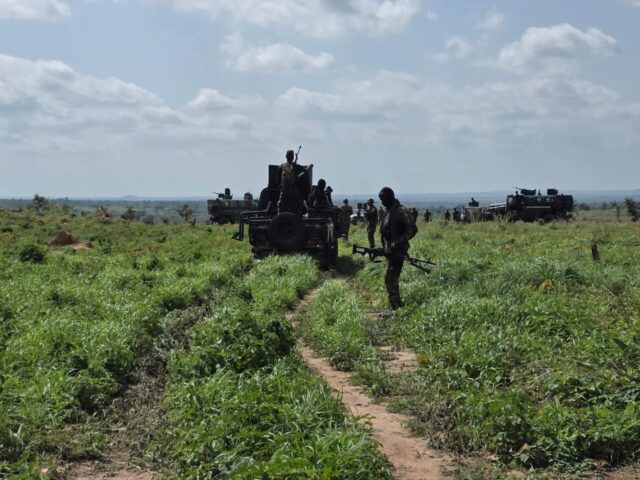
Our mission was to reach Maidebino, a remote community in Dan Musa Local Government Area of Katsina State, where the Army had established a Forward Operating Base (FOB) to confront terrorists and bandits terrorising that axis.
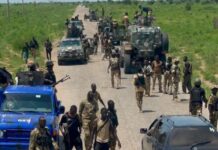
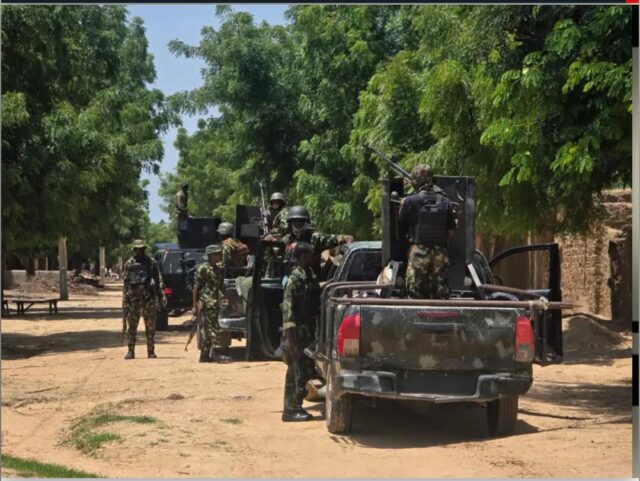
In no time, heavily armed gun trucks rolled into the motel where we were located for onward movement to Maidebino. What followed was one of the most perilous, eye-opening and unforgettable reporting assignments of my career as a defence reporter.
For a couple of years now, the North West has become a major epicenter of attacks, killings and kidnappings by marauding bandits and terrorists. Katsina is no ordinary battlefield.
It is one of Nigeria’s most volatile theatres of insecurity, where notorious bandit gangs, and criminal syndicates have transformed vast forests into sanctuaries of terror. Almost every day brings reports of villages attacked, travellers abducted or security personnel ambushed.
The fate of late Major General Rabe Abubakar (rtd), former Defence spokesman who was abducted in the same Katsina State, alongside his wife while travelling to a wedding, and later died in captivity, is still fresh in the minds of most Nigerians. If a retired general could become a victim, nobody could honestly claim to be beyond danger.
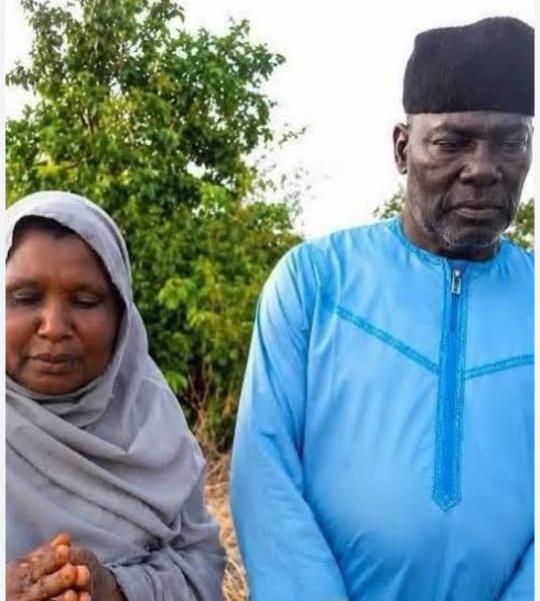
Perhaps that was why the commander of the 17 Brigade spared no effort in ensuring our protection.
As we departed Katsina city, the convoy gathered speed, heading towards Kurfi, then Dutsin-Ma and heading to Kankara, the same town that came to limelight after the abduction of hundreds of schoolboys few years ago.
The journey offered an unexpected contradiction.
On both sides of the highway stretched vast farmlands filled with healthy maize, millet and sorghum. Farmers worked under the morning sun, tending crops that promised a rich harvest. It challenged the dominant narrative that farming had completely disappeared across the North-West.
What it means is that the presence of troops in that axis gives farmers the needed confidence to farm, and that life, somehow, was still struggling to survive amid the violence.
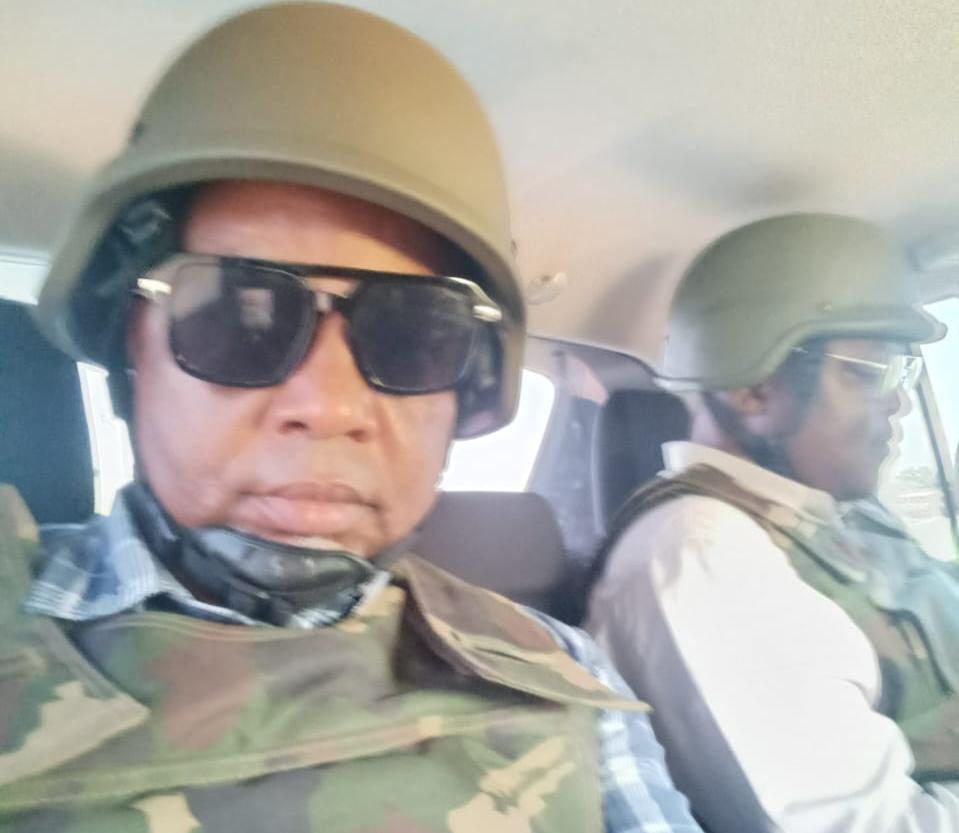
Several kilometres after Dutsin-Ma, the lead gun truck suddenly halted. Three soldiers emerged from another military vehicle parked by the roadside, carrying ballistic helmets and fragmentation jackets.
The convoy commander exchanged brief words with them before waving them towards us.
“You are entering a dangerous stretch,” one soldier said matter-of-factly.
“From here, bandits can attack without warning. Wear these.”
Within minutes, the six of us had exchanged our journalists’ appearance for that of men heading into battle.
The weight of the helmet on my head suddenly made the reality impossible to ignore. This was no longer an ordinary reporting trip.
From the highway, our convoy veered onto a narrow untarred road leading into the bush, muds splashing on the vehicles.
Rocky hills rose ominously on both sides. Every bend looked capable of concealing an ambush. Every cluster of trees invited suspicion.
The atmosphere inside our vehicle changed completely. Conversation gave way to only the rumbling engines and the rap music playing in the truck’s stereo.
About fifteen kilometres down the bad road, we arrived at a settlement called Mahuta. Again, the convoy stopped. This time, we waited nearly an hour. The reason was simple but revealing. The escort vehicles behind us were desperately trying to establish radio communication. Even communication infrastructure was non-existent in this forgotten corner of Nigeria.
From Mahuta, the road deteriorated into little more than winding tracks through isolated settlements, leading to Maidebino.
It was here that the true face of the conflict revealed itself. Along the route stood the skeletal remains of abandoned schools. Walls scarred by bullets. Collapsed roofs. Empty classrooms reclaimed by weeds.
Read Also:
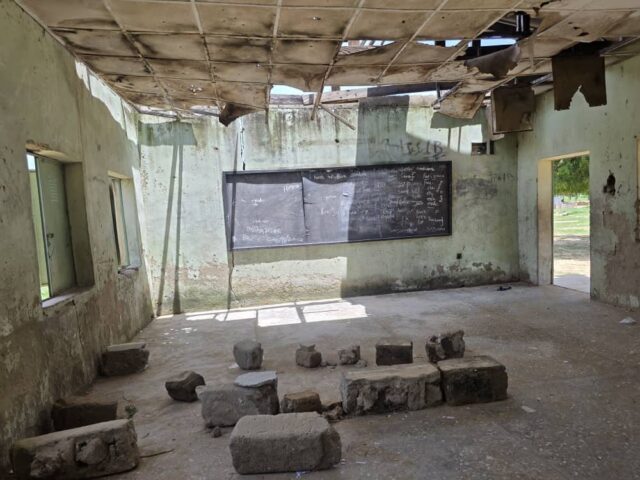
They were silent monuments to communities abandoned as a result of the activities of bandits.
The twenty-kilometre stretch from Mahuta to Maidebino took almost an hour because the road had practically disappeared.
There was no asphalt. No bridges. No functioning health centres. No markets. Hardly any visible government presence. A member of the community we spoke to later, disclosed that government people only come around during election campaign periods. He said, “We see them only during campaigns; after that, you will never see anything that reminds you of the existence of government apart from the soldiers who are now our companions, protectors and benefactors”.
The deeper we travelled, the more one uncomfortable truth became impossible to ignore: the military was fighting terrorism in places where governance had almost completely retreated.
The absence of roads delayed the troop movement. The lack of communication infrastructure complicated operations.
The absence of schools, healthcare and economic opportunities created conditions terrorists readily exploited. It dawned on us very clearly that military operation alone could not win this war. Development had become just as critical as firepower.
Eventually, our convoy rolled into Maidebino.
Nestled among rugged hills, the village appeared peaceful at first glance. But beneath that calm lay years of fear.
The Nigerian Army’s Forward Operating Base occupied part of an ageing secondary school that had fallen into severe disrepair.
One block of classrooms had become the soldiers’ operations room. The remaining classrooms still served the community’s children.
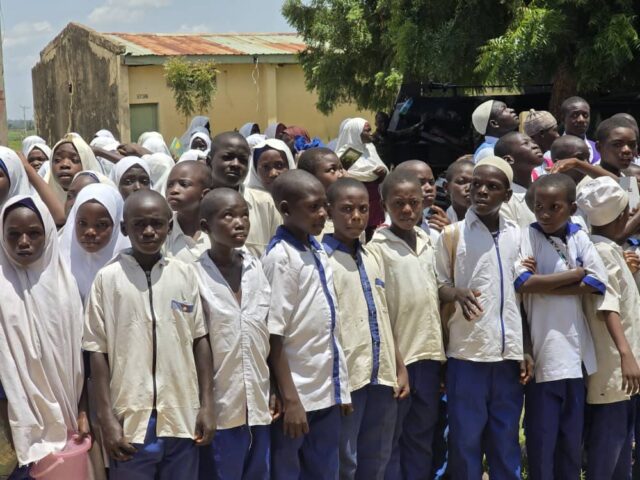
It was a remarkable picture. On one side, soldiers planned operations against terrorists. On the other, children recited lessons in classrooms desperately crying out for renovation. War and hope existed side by side.
As we interacted with the troops, one message came through repeatedly. Military operations here were unlike conventional warfare. Bandits blended seamlessly into surrounding communities.
Many villagers, they explained, were coerced into becoming informants. Under threats of death or abduction, they monitored troop movements and passed information to terrorists hiding in nearby forests. Some had no choice. It was either cooperate or watch their families murdered.
Listening to the soldiers, it became painfully clear that they were fighting not only armed terrorists but also an invisible intelligence network sustained by fear.
We spent a couple hours speaking with officers, soldiers, teachers, pupils and residents. The stories were remarkably consistent.
A teacher described struggling to keep education alive despite insecurity and inadequate facilities. He said he was just volunteering to teach the pupils. We were told that even soldiers often volunteer to teach the school children, as part of non-kinetic efforts of winning hearts and minds of the people.
Community leaders expressed gratitude for the military’s presence while pleading for roads, hospitals, electricity and functioning schools.
Their message was simple. The soldiers had brought security. Now, the government needed to bring development.
As we prepared to leave Maidebino, I looked back at the weather-beaten school doubling as both classroom and military headquarters. It symbolised the Nigerian state in one powerful image: soldiers standing firmly where many institutions had long disappeared.
Protected once again by our armed escort, we slowly navigated the unforgiving roads back towards the express road before continuing hundreds of kilometres into neighbouring Zamfara State.
Our destination was Gusau, where another chapter of our frontline expedition awaited. As darkness gradually replaced daylight, one thought refused to leave my mind.
The war against terrorism is not being fought only with rifles and gun trucks. It is also being fought against poverty, abandoned communities, broken schools, impassable roads and years of governmental neglect.
Until those battles are won together, soldiers on the frontline will continue carrying a burden that no military, however courageous, should bear alone.
*Chidi Omeje is the publisher of Security Digest and member of Zagazola Media Network