How Absence of Governance is Undermining Military Operations: A Defence Reporter’s Eyewitness Account
By Chidi Omeje
After years of covering military operations across Nigeria’s various theatres of operations, one disturbing pattern has emerged with remarkable consistency.
Across conflict zones, be it in the North East region where troops are battling formidable terrorists organisations or in North West where they are containing terror bandits or north central which has become the epicenter of banditry and kidnapping or South West where new frontiers of kidnapping is taking shape or the South East where troops are checkmating the violence wrought by separatist agitators or even in the Niger Delta region where they are up against economic saboteurs who are stealing Nigeria’s maritime asset’s, the story is often the same: where government is absent, insecurity thrives.
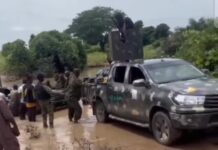
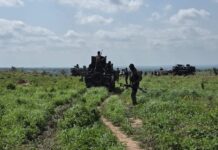
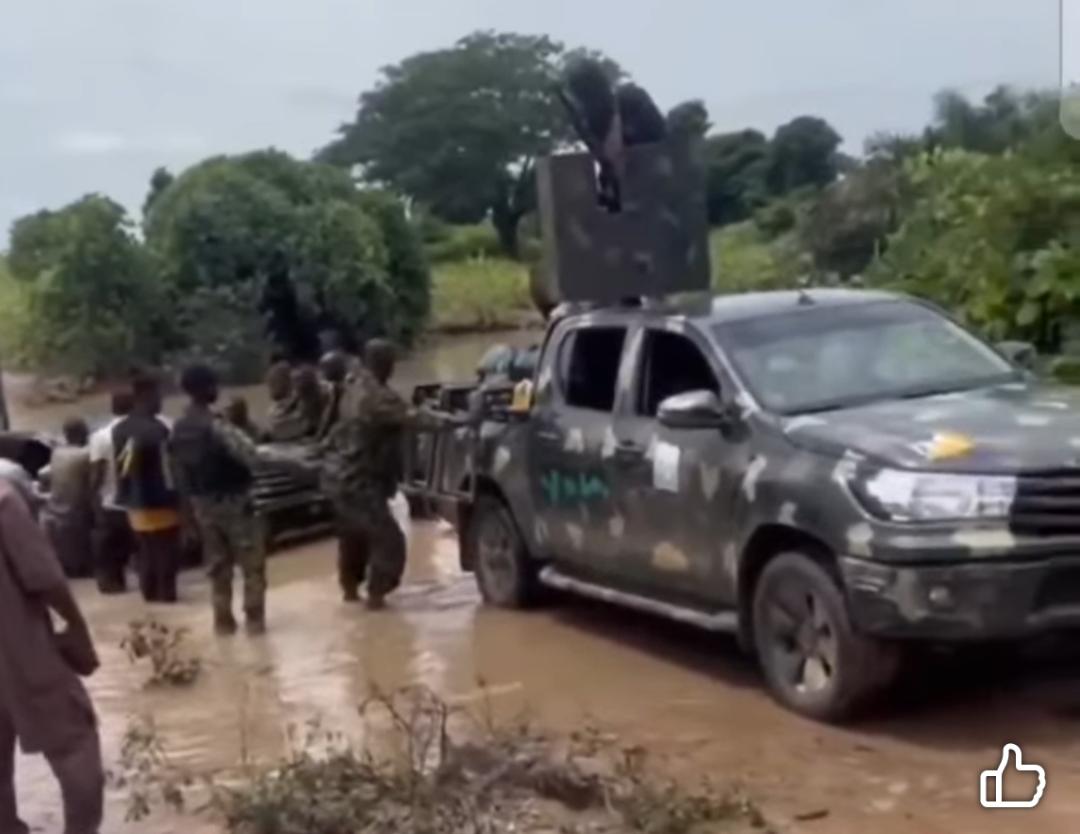
As a defence reporter, I have travelled with troops through communities that have become synonymous with terrorism, banditry, kidnapping and sundry violent crimes. I have watched soldiers traverse nearly impassable roads to reach isolated villages. I have seen military convoys struggle through terrain that should ordinarily be accessible by properly constructed roads. I have spoken with folks in communities where schools have long ceased to function, primary healthcare facilities exist only in name, telecommunications are either weak or completely absent, and economic activities have been brought to a standstill.
What struck me most was not merely the destruction caused by terrorists, but the glaring absence of governance. You don’t need to be told that these people, these communities have been forgotten. You will see it, you feel it and you will wonder.
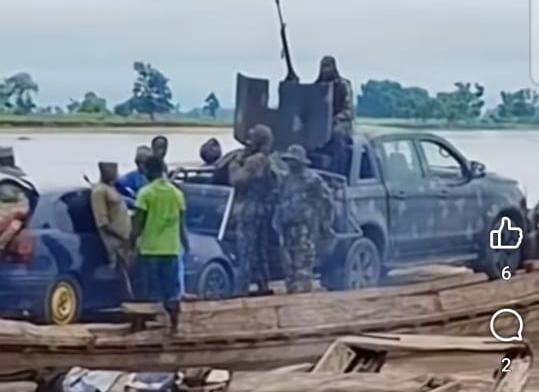
In many of these communities, residents told remarkably similar stories. Government officials appear during election campaigns with lofty promises, only to disappear once the votes have been counted. Years later, the only visible representatives of the Nigerian state are soldiers deployed to confront terrorists, bandits and other adversaries. That reality should trouble every Nigerian.
For too long, the national discourse on insecurity has revolved almost exclusively around military operations. Every major attack triggers familiar demands for more troops, more fighter aircraft, more weapons and more funding for security agencies. Those investments are undoubtedly necessary. But my journeys across Nigeria’s frontline reveal a different uncomfortable truth: the military is fighting an enemy that has flourished partly because governance retreated long before the soldiers arrived.
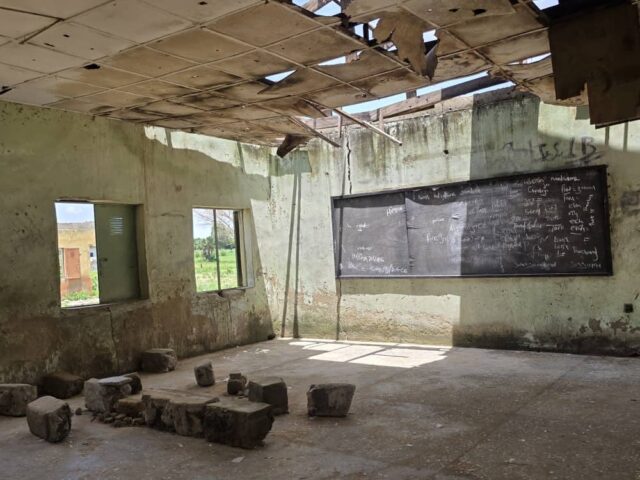
The relationship between governance and security is impossible to ignore, just as the nexus between absence of governance and the spike in crime and criminality is so glaring.
Infrastructure such as roads, for instance, are not merely development projects; they are strategic security infrastructure. They enable rapid deployment of troops, facilitate intelligence gathering, improve logistics and accelerate emergency response. Where roads are non-existent or have collapsed, military operations become slower, more expensive and significantly more dangerous.
Reliable telecommunications are equally critical. Modern security operations depend on seamless communication, timely intelligence and rapid coordination. Yet many frontline communities remain communication blackspots, creating operational disadvantages for security forces while allowing criminal groups to exploit difficult terrain and limited connectivity.
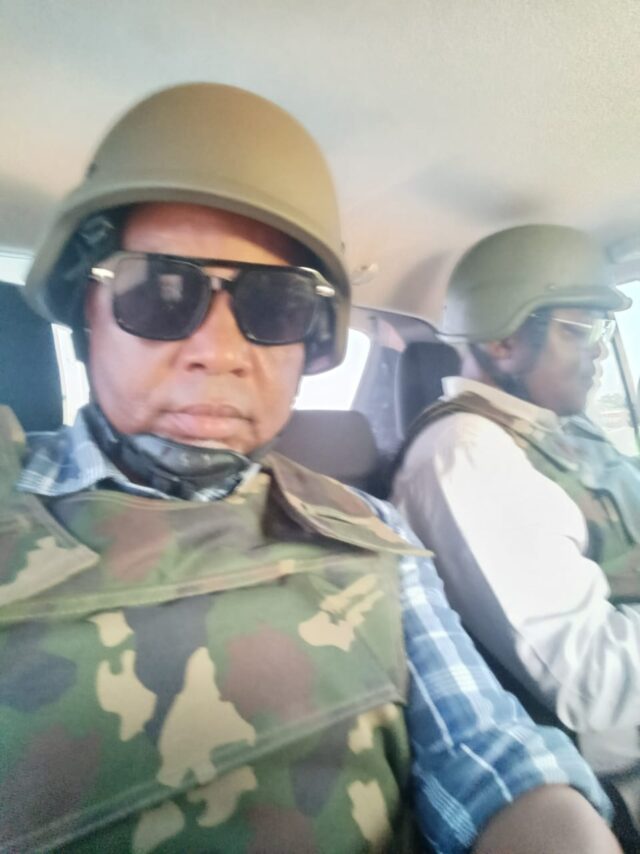
Beyond infrastructure lies an even deeper challenge. Across many of these rural communities, poverty is pervasive. Young people face limited educational opportunities. Healthcare is almost non-existent. Markets have collapsed. Agriculture, often the primary source of livelihood for many families, has been severely disrupted by persistent insecurity and years of neglect.
Read Also:
Poverty alone does not produce terrorists. Millions of poor Nigerians remain peaceful, hardworking and law-abiding despite enormous hardship. But when poverty is compounded by weak institutions, poor governance, social exclusion and the absence of legitimate economic opportunities, criminal organisations find fertile ground to recruit, manipulate, intimidate or coerce vulnerable populations.
Terrorist groups and bandits understand this reality perhaps better than many policymakers. They exploit communities that feel abandoned. They recruit their prospective footsoldiers and snitches from among the demographics where hope has diminished. They hide and find sanctuaries where state institutions are weak and in ungoverned spaces. They operate better where government presence is almost invisible. This explains why the battle against insecurity cannot be won through military force alone.
Yes, the Nigerian Armed Forces have demonstrated extraordinary courage and professionalism in confronting terrorism, insurgency and banditry. Time and again, troops have neutralised notorious criminal leaders, rescued kidnapped victims, destroyed terrorist camps and restored relative peace to previously occupied communities. Yet every successful military operation raises an important question. What happens after the soldiers leave?
If roads remain impassable…
If schools remain closed…
If healthcare remains unavailable…
If communities remain disconnected from telecommunications…
If young people remain unemployed…
If citizens continue to feel abandoned…
Then the conditions that enabled insecurity in the first place remain largely unchanged.
Security experts often speak of the “clear, hold and build” doctrine in counterinsurgency operations. The military can clear territories of terrorists. Security forces can hold those gains for a period. But only governance can build lasting peace. That responsibility rests primarily with political leadership.
State governors occupy a pivotal position because they are closest to the people and are constitutionally entrusted with driving development within their states. While security is a shared responsibility across all levels of government, improving infrastructure, expanding education, strengthening healthcare, supporting agriculture, creating jobs and ensuring effective local governance are among the most powerful long-term investments in security.
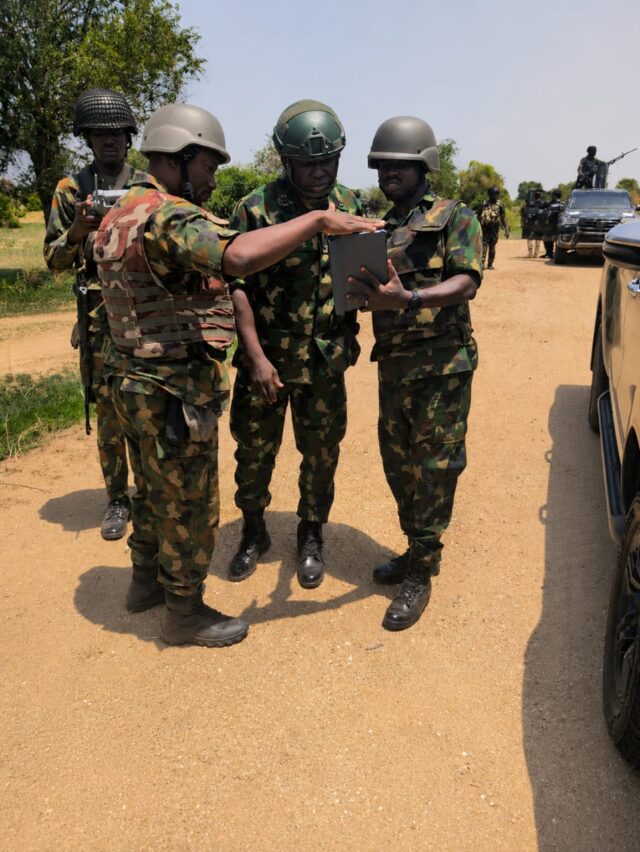
Every kilometre of roads constructed into rural communities reduces isolation. Every functioning school diminishes ignorance and expands opportunity. Every healthcare centre restores public confidence. Every market stimulates economic activity. Every telecommunications mast improves both commerce and intelligence gathering. Every visible presence of government weakens the narrative that criminal groups seek to exploit: that the state has abandoned its people.
The soldiers I have encountered across these frontlines continue to perform their duties with remarkable sacrifice, often under extremely difficult conditions. But they should not be expected to compensate indefinitely for failures in governance.
Armies are trained to defend nations. They are not designed to replace a functioning government. The greatest lesson from years of reporting Nigeria’s security challenges is therefore not simply about the bravery of our troops, although that bravery is beyond question. It is about a truth that is too often overlooked in our national conversation: terrorism, banditry and kidnapping are not sustained by weapons in the hands of the adversaries alone. They are sustained by governance deficits that leave communities poor, isolated, vulnerable and disconnected from the institutions meant to serve them.
The path to lasting peace will therefore require more than military victories. It will require governments that remain visible long after elections are won. Governments that measure success not by political rhetoric but by roads constructed, schools reopened, hospitals equipped, jobs created and rural communities reconnected to the rest of the nation.
Ultimately, the fight against insecurity is not only being waged on the battlefield. It is also being won, or lost, in the quality of governance experienced by ordinary Nigerians.
Until governance reaches the communities where the masses dwell but government is scarcely felt, the military will continue to confront the symptoms of a problem whose deeper causes lie far beyond the battlefield. Our state governors and local government chairmen can do better!
*Chidi Omeje is the Editor of Security Digest and member of Zagazola Media Network