Turning the Tide: How the Nigerian Military Stabilized Birnin Gwari Through ‘Non-Kinetic’ Means
By Chidi Omeje
Not long ago, the Birnin Gwari axis of Kaduna State was teetering on the edge of anarchy and complete societal breakdown. That part of the state became synonymous with lawlessness, violence and fear, dominating national headlines with grim reports of brutality.
Day after day, accounts detailed brutal killings, mass abductions (notably the Kuriga incident), deadly ambushes and sundry violent crimes carried out by heavily armed and well determined bandits who have entrenched themselves in the dense forests and ungoverned spaces of the area.

They turned the Kaduna- Birnin Gwari express way into a war zone where residents and travelers alike were target for abductions and gruesome killings. The scale of insecurity was so overwhelming that, in some cases, entire communities were forces to flee, abandoning their homes and livelihoods in a desperate bid to escape the unrelenting terror.
In response, the Nigerian military mounted aggressive kinetic operations, launching offensives to rout out the criminal elements. A number of bandit kingpins and their foot soldiers were indeed neutralized and a lot of weapons seized through the coordinated efforts of the military and other security agencies but even at that the violence persisted, suggesting that military operations were not enough in addressing the root cause or causes of the crisis.
The vast forests remained strongholds of the bandits, and every military advance seemed to provoke a retaliatory attack on innocent civilians. Despite the courage and resilience of the troops, the siege would not lift.
All that began to change in November 2024, when a subtle but strategic transformation unfolded under Operation Fasan Yamma. Guided by the Chief of Defence Staff, Gen Christopher Musa and the Chief of Army Staff, Lt Gen Olufemi Oluyede, and carried out under the supervision of the General Officer Commanding 1 Division and Commander Sector 1, Operations Fasan Yamma, Maj Gen Mayirenso Saraso, the troops made a bold shift: instead of leading with firepower, they would lead with dialogue.
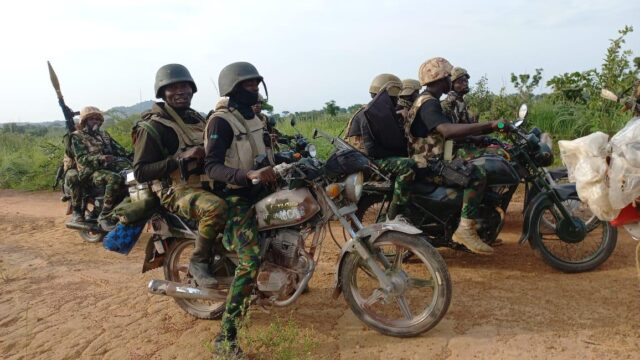
While highlighting the operational successes in the Birnin Gwari general area, Lt Col Abdulkadir Abdullahi, the Commanding Officer of 2nd Battalion and Commander of Sub-Sector 3 of Operation Fasan Yamma stationed in Birnin Gwari, shared the remarkable story of how a different approach from hardcore offensive posture, brought a semblance of peace and stabilization to an area that had known nothing but chaos and wanton killings. That approach which non-kinetic turned the tide.
According to him, with approval and guidance from the Headquarters, his team opened channels of communication with the bandit leaders under the supervision of the General Officer Commanding 1 Division, Maj Gen Saraso. The initial message to the bandits was clear and uncompromising: the opportunity for dialogue was a final offer of peace. Should it be rejected, the military would resume intensified kinetic operations with its full consequences on the recalcitrant. The bandits listened, or so it has seemed so far.
Read Also:
During a series of carefully managed dialogues, both sides laid down terms. The military demanded a complete halt to attacks, the disarmament of fighters, and the end of the public display of weapons. The bandits, in turn, requested access to healthcare, specifically, the establishment of medical centres to cater to their pressing health needs. These were not blanket pardons, but measured agreements rooted in mutual understanding and hard-nosed negotiation.
“We were firm in our conversation with those guys, and of course they know that we were not speaking from a place of weakness,” Lt Col Abdullahi emphasized. “Rather, we recognized that military might alone could not resolve a problem that is as much social as it is criminal.”
“The results have been nothing short of transformative, and we ae hopeful that we will get them to surrender their weapons ultimately”, he stated.
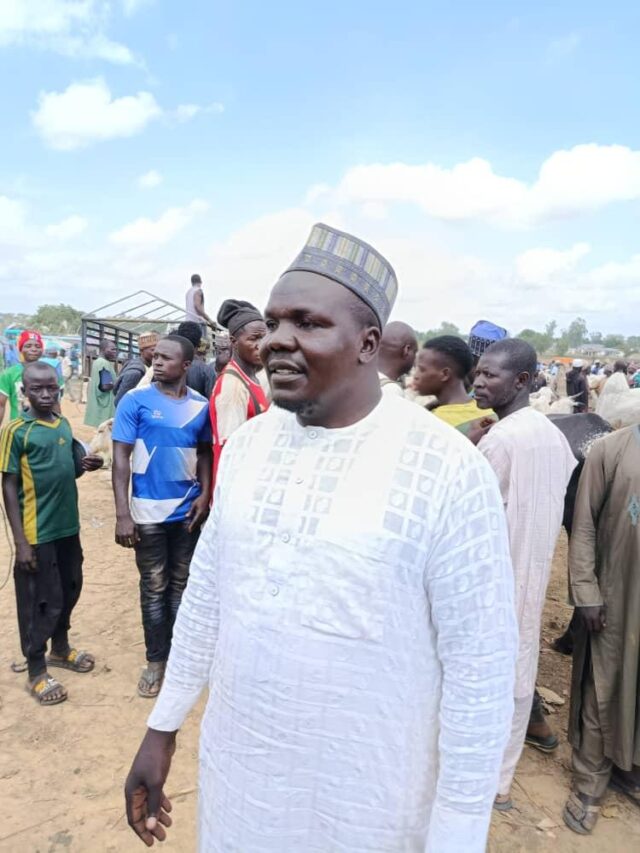
Since the adoption of the non-kinetic strategy, Birnin Gwari has begun to breathe again. Reports of kidnappings and killings have sharply declined. Roads once feared are now traveled again. Farmers are returning to their fields. Families who once fled are slowly trickling back home. Economic activities have started to boom again. The popular Birnin Gwari commodity market is back in full swing. At the sprawling cattle and grains section of the market, traders and their customers were all over the place conducting their businesses without let or hindrance.
“Peace has returned to Birnin Gwari”, enthused Usman Maigari, a cattle dealer who spoke through an interpreter. “I came all the way from Udawa to sell my cattle and as you can see, there was no problem on the way otherwise I wouldn’t have been able to get here. It was not possible to move around last year and this was made possible by the Army”.
Sunday Okafor, a trader who hails from Enugu and sells palm oil in the Birnin Gwari market was seen making brisk business; he had a lot to say: “We no longer have fears in this community. I have been here for almost 25 years and I saw with my eyes what people went through when the security crisis began. Thank God that the government has sent army and air force to protect us and os since late last year, everything is normalizing”.
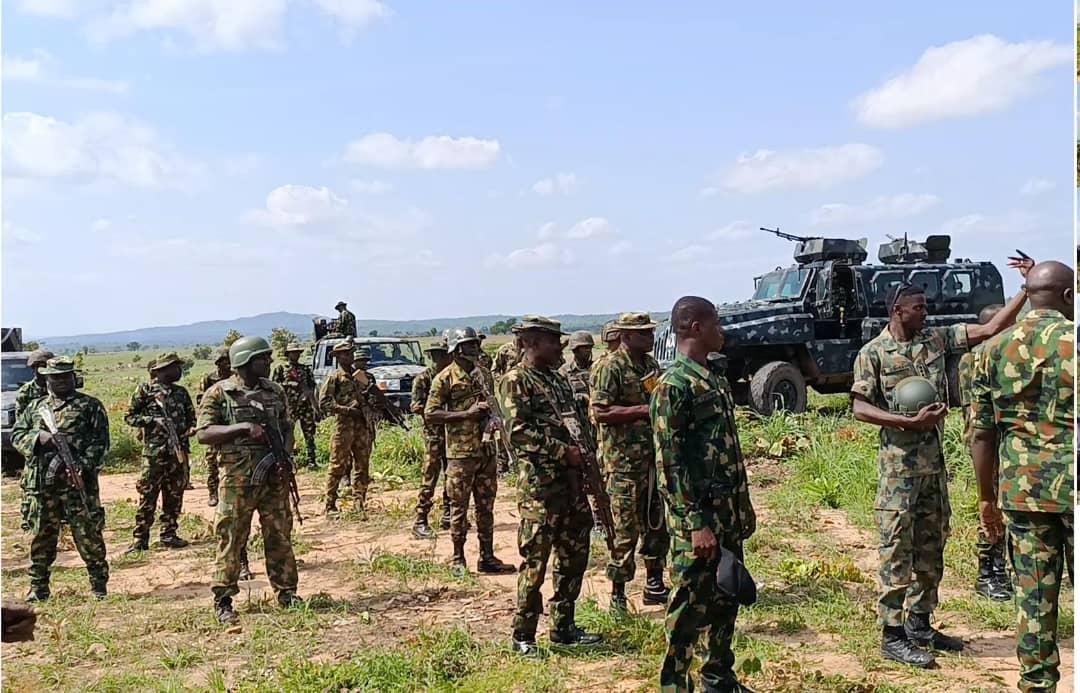
Yet, Lt Col Abdullahi is cautious. “The success of this approach does not mean our guards are down,” he said. “We continue to conduct intelligence-led surveillance and strategic patrols. The peace is real, but it is also fragile.”

The non-kinetic success in Birnin Gwari is a powerful validation of the Nigerian Army’s evolving strategy in asymmetric warfare. It shows that guns and boots alone cannot always win hearts and minds, especially when dealing with insurgents and bandits who often operate from within communities, manipulating local grievances for gain.
What the Nigerian military achieved in Birnin Gwari is a case study in strategic flexibility and disciplined compassion. It is proof that even in the darkest corners of conflict, solutions grounded in dialogue, development, and deterrence can prevail.
Lt Col Abdullahi is of the view that the government can build upon this success by expanding the non-kinetic framework. With sustained commitment and investment, especially in reintegration programs and social infrastructure, a complete and permanent disarmament of these groups is within reach.
The road to peace is never easy. But if Birnin Gwari teaches us anything, it is that peace is possible when strategy meets sincerity, and when soldiers are empowered not just to fight, but to broker peace.
This is the new face of Nigerian military engagement: resolute, responsive, and ready for peace.
• Chidi Omeje is a senior editor at Zagazola Media Network