
ISWAP Bomb Expert, Senior Commander Surrender to Troops in Major Intelligence Breakthrough
By Zagazola Makama
In a significant boost to ongoing counterterrorism operations in the North-East, troops of Operation HADIN KAI have secured the surrender of two suspected senior members of the Islamic State West Africa Province (ISWAP), including a bomb-making specialist believed to possess critical intelligence on the group’s explosives network, logistics chain and operational structure.
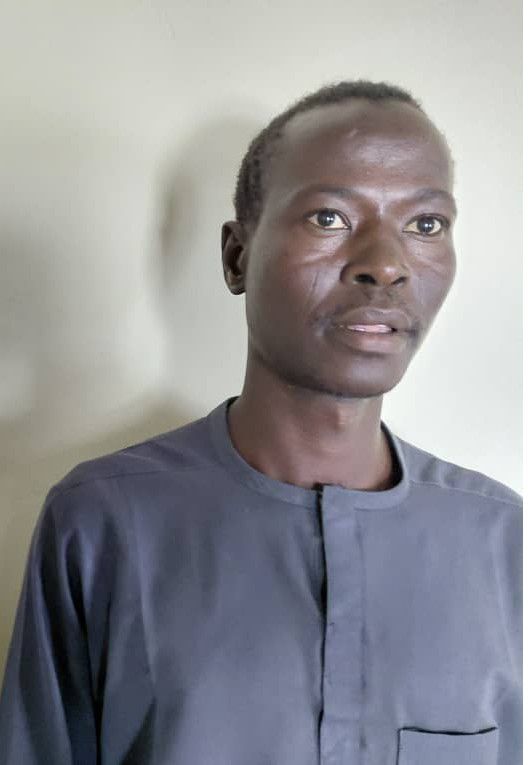
Military sources disclosed that the insurgents surrendered to troops of the 159 Battalion in Geidam, Yobe State, on June 8. The development is being regarded as a major operational and intelligence gain in the fight against Boko Haram and ISWAP across the Lake Chad region.
The surrendered individuals were identified as Ismail Mohammed and Abu Umar. According to military sources, Abu Umar is a highly skilled ISWAP engineer renowned for his expertise in the construction and deployment of Vehicle-Borne Improvised Explosive Devices (VBIEDs), commonly known as car bombs.
Read Also:
Sources noted that bomb-making specialists occupy strategic positions within terrorist organisations due to their technical role in planning and executing high-profile attacks against military formations, civilian populations and critical infrastructure.
Intelligence obtained from such operatives could assist security agencies in identifying bomb-making facilities, weapons storage sites, training camps and logistics routes used by insurgent networks.
The second surrendering insurgent, Ismail Mohammed, is said to be among commanders linked to the notorious Baa Shuwa axis within the Timbuktu Triangle, a long-established insurgent stronghold in the North-East.
Security sources described the surrender of Abu Umar as particularly significant, noting that VBIEDs have remained among the deadliest weapons employed by terrorist groups in the region. Over the years, such attacks have targeted military installations, markets, places of worship and other public locations, resulting in heavy casualties and widespread destruction.
Military authorities believe the surrender of the two men could provide valuable intelligence to support ongoing operations aimed at dismantling the remaining terrorist infrastructure and networks across the Lake Chad Basin.