IEDs: The hidden battlefield putting Nigeria’s civilians at risk
As explosive devices increasingly threaten farmers, commuters and communities, security agencies, government and citizens must unite to defeat the growing danger
By Zagazola Makama
The improvised explosive device (IED) has emerged as one of the most persistent and indiscriminate threats confronting communities affected by insurgency and terrorism in Nigeria.
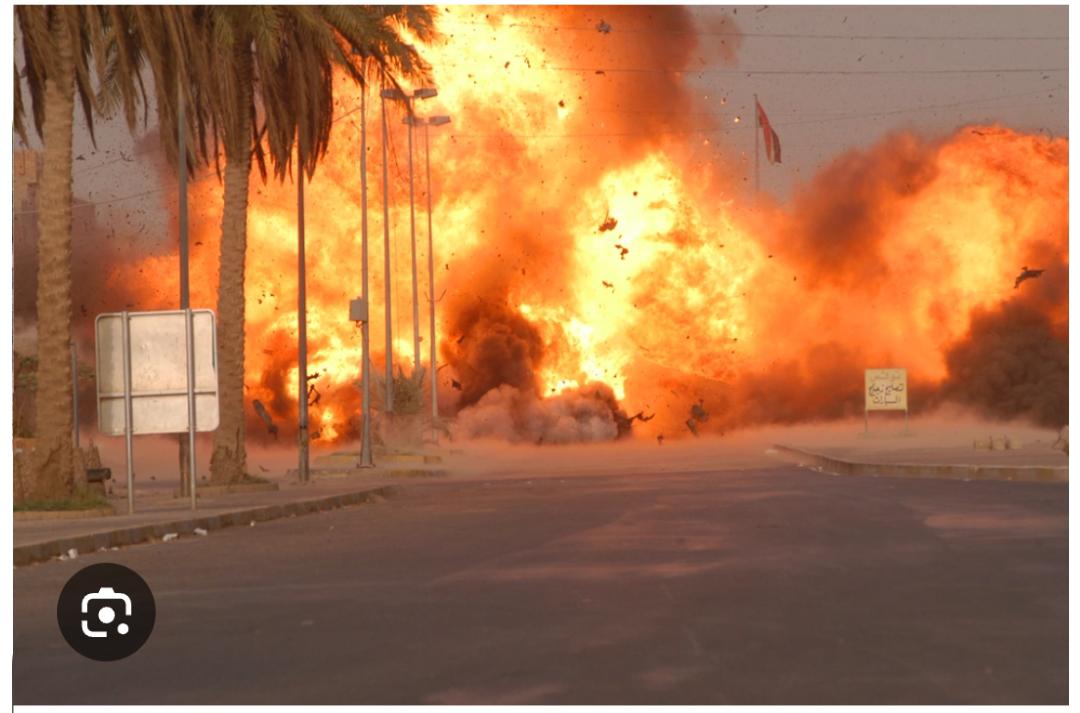
Once largely associated with attacks on military patrols and security formations, IEDs are increasingly being used to target the civilian population, turning roads, farmlands, markets and other public spaces into potential danger zones. Recent incidents across the country have once again highlighted the seriousness of the threat.
In one such incident in Zamfara State, troops responding to an explosion along the Gurusu–Gwashi road in Bukuyyum Local Government Area discovered that a motorcycle had triggered an IED, resulting in the deaths of two civilians. The incident reminds us that the threat is no longer confined to soldiers operating in conflict zones.
Farmers travelling to their fields, traders moving between communities, passengers using rural roads and residents going about their daily activities can all become unintended victims of explosive devices planted by terrorists and other criminal elements.
The danger posed by IEDs lies largely in their unpredictability. Unlike conventional attacks, an explosive device can remain hidden until an unsuspecting person or vehicle encounters it. This makes the threat particularly difficult for ordinary citizens who may have no knowledge that an area has been contaminated.
The consequences extend beyond loss of lives.
IED incidents can disrupt farming activities, restrict movement, damage vehicles and infrastructure, deepen fear and undermine economic activity in communities already struggling with insecurity.
The road connecting one village to another is not merely a route. It is a lifeline to farms, markets, schools, hospitals and neighbouring communities. When such routes become associated with explosive threats, the entire local economy suffers.
The materials are often sourced locally
Several field reports have repeatedly pointed to the ability of terrorist groups to exploit materials and resources available within local environments. This makes the fight against IEDs more than a military responsibility.
It requires cooperation from communities, transporters, traders, farmers, traditional leaders, local authorities and other stakeholders who may encounter suspicious activity before security agencies do. The objective should not be for civilians to confront, touch or investigate suspected explosive devices.
The responsibility of the public is to observe, move away from danger and report. Any suspicious object, unusual activity or information suggesting that criminals are preparing an attack should be reported promptly through appropriate security channels.
In the digital space, citizens who come across credible information, suspicious activities or indications of planned attacks should equally report them to the relevant authorities rather than sharing sensitive information indiscriminately across social media. Timely information can give security forces the opportunity to prevent an attack before lives are lost.
Awareness is as important as firepower
The military has an important role to play, but defeating the IED threat requires a broader approach. Security agencies should intensify public awareness campaigns in communities where the threat is prevalent.
People need to understand that an explosive threat can exist outside a conventional battlefield and that ordinary civilians can become victims. Such awareness should be continuous and delivered in languages and formats easily understood by local communities.
Farmers, motorists, commercial transport operators, community volunteers, traditional institutions and young people should be incorporated into public safety campaigns.
Do not approach, touch, move or attempt to examine a suspicious object. Move away from the area and alert security authorities.
UNMAS and the humanitarian mine-action approach
There is also a strong case for increased collaboration with the United Nations Mine Action Service (UNMAS) and other appropriate mine-action and explosive-hazard management organisations. UNMAS and relevant national institutions can support broader civilian-focused awareness, risk education and appropriate non-military explosive-hazard response capabilities.
Read Also:
Nigeria’s response should therefore go beyond military counter-IED operations to include humanitarian protection, community education and post-incident support. Government should strengthen programmes that provide communities with the knowledge and appropriate institutional support required to live safely in areas affected by explosive hazards.
The emphasis must remain on civilian protection and professional explosive-hazard management, rather than encouraging untrained people to investigate suspected devices themselves.
Government must strengthen military capability
The Federal Government also needs to recognise that the persistent IED threat requires sustained investment. Troops operating in difficult terrain need appropriate protective equipment, mobility, surveillance and counter-IED capabilities to reduce their vulnerability and enable them to protect communities more effectively. The military cannot be expected to confront an evolving threat with inadequate resources.
Sustained funding for training, equipment, intelligence gathering, mobility and technology will strengthen the ability of security forces to detect and respond to explosive threats.
This is not simply an investment in the military.
It is an investment in civilian lives. Fix the roads, close the vulnerabilities State and local governments also have an important role.
Poorly maintained roads, isolated routes and neglected infrastructure can create security vulnerabilities that criminal groups may exploit.
Across many rural communities, damaged roads force motorists and security patrols to use predictable routes, while poor connectivity can isolate communities from security and emergency services.
Government must therefore treat rural infrastructure as part of the broader security architecture. Road rehabilitation, improved connectivity, street lighting where appropriate, functional emergency communication systems and better access to remote communities can help reduce the vulnerabilities that criminals exploit. Development and security cannot be separated in communities facing persistent violence.
Intelligence begins with the community
Perhaps the most important weapon against the IED threat is information. Security forces cannot be everywhere at every moment.
A farmer may notice an unfamiliar presence near a route. A transporter may observe suspicious activity. A resident may receive information about criminal movements. A community leader may become aware of unusual activities. Individually, such observations may appear insignificant. Collectively, however, they can become valuable intelligence.
This is why communities must see themselves not merely as victims of insecurity, but as partners in the security process. That partnership does not mean confronting terrorists or taking the law into one’s hands. It means providing timely and responsible information to security agencies.
Breaking the terrorists’ advantage
Terrorists thrive on secrecy, fear and surprise.
IEDs provide all three. They allow attackers to threaten an area without necessarily being physically present when the device detonates. They create fear long after an attack and can restrict movement even when no further attack occurs. Community awareness can help take away that advantage.
When citizens know how to respond safely to suspicious situations, when security agencies receive timely information and when government addresses the infrastructure and social conditions that criminals exploit, the space available to terrorists becomes smaller.
A collective responsibility
Nigeria’s battle against terrorism and insurgency has entered an era where the distinction between the military battlefield and civilian space is increasingly blurred. The roadside, the farm and the village pathway can all become part of the conflict environment.
That reality demands a whole-of-society response. The military must continue to strengthen counter-IED capabilities and intensify engagement with communities.
Government must provide the resources required to confront the threat and improve vulnerable infrastructure. UNMAS and other relevant partners should expand explosive-hazard awareness and humanitarian mine-action support. Traditional and religious leaders should reinforce safety messages within their communities. And citizens must remain vigilant, responsible and willing to report suspicious activities.
Civilians are not spectators in the fight against IEDs. They are among those most at risk—and their eyes, ears and timely information can help save lives. The safest response to a suspected explosive device is never curiosity or confrontation.
See something suspicious? Keep your distance, warn others away where it is safe to do so, and report it immediately to the appropriate security authorities. In the fight against IEDs, one timely report can make the difference between an incident and a tragedy.